

Building for Tomorrow – Integrating Lifeline Infrastructure
Schedule
January 27, 2026
04:00 PM – 5:30 PM
Registration Open
Start your experience by checking in at the registration desk. Pick up your badge, event materials, and get assistance with any questions. Our team is ready to welcome you and help you get oriented for a successful event.
January 28, 2026
07:15 AM – 06:00 PM
Registration Open
Start your experience by checking in at the registration desk. Pick up your badge, event materials, and get assistance with any questions. Our team is ready to welcome you and help you get oriented for a successful event.
07:45 AM – 08:30 AM
Continental Breakfast
Enjoy a light morning meal featuring coffee, tea, juices, pastries, fruit, and assorted breakfast items. A great way to start your day and connect with fellow attendees.
08:30 AM – 09:30 AM
Fire Side Chat with Tooey Courtemanche and Dr. George Guszcza
Location: Sequoia Ballroom
Join us as we officially kick off the conference with a welcome from organizational leadership, followed by a Keynote presentation. This session will set the tone of the day and offer insights tied to the theme of the day: Breaking Down Silos – A Collective Vision for Lifeline Resilience.

Craig “Tooey” Courtemanche, Jr.
Founder and Chairman of the Board
Procore
Craig “Tooey” Courtemanche, Jr. is the Founder and Chairman of the Board of Procore. Tooey served as CEO and President of Procore from January 2002 to November 2025. He founded Procore in 2002 with a mission to connect everyone in construction on a global platform and is passionate about bringing together two often disparate worlds: construction and software. Tooey has always been a builder—whether working as an apprentice in a carpentry shop, as a real estate developer, or founding software companies. Under his leadership, Procore grew to become a leading global provider of construction management software, connecting over 2 million users across 150+ countries. Today Procore trades on the New York Stock Exchange under the ticker PCOR.
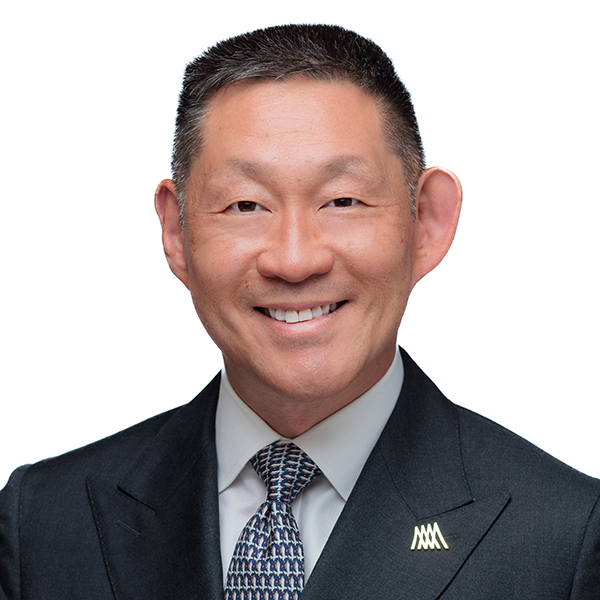
Dr. George Guszcza
President and CEO
National Institute of Building Sciences
George K. Guszcza, D.Eng, CPEM, CCM, is the President and CEO of the National Institute of Building Sciences.
Prior to joining NIBS, Dr. Guszcza served as the Chief Transformation Officer of Michael Baker International, an Engineering News Record (ENR) Top 50 Design Firm. He also served as an adjunct professor at The George Washington University and as a strategic advisor to the Middle East Institute’s Board of Directors.
He brings over 25 years of experience in the built environment spanning the public, private, and non-profit sectors in the US, UK, Europe, Middle East, and Africa. Dr. Guszcza has previously held executive roles as the COO (CRO) of the Neal Richards Group and the EVP for Finance and Administration (CFO/CIO) of Adams and Associates, a 2400 person ESOP operating across 19 locations in the US. As the founder/CEO of the Aedifos Group, a multinational start-up, he and his team led the restart of the Nelson Mandela Children’s Hospital project on behalf of Project HOPE and the W.K. Kellogg Foundation. In 2003, as an active duty US Army Medical Service Corp officer and the National Director of Healthcare Facilities for Iraq under the Coalition Provisional Authority and Iraq Ministry of Health, Dr. Guszcza led a staff of 3000 architects and engineers to restart 240 hospitals, 10 specialty centers, and 1200 clinics across the country.
Dr. Guszcza earned a Bachelor of Science in Sociology from the United States Military Academy at West Point, a Master of Science in Major Program Management from the University of Oxford’s Said Business School, and a Doctor of Engineering in Engineering Management from The George Washington University. He has served as the Chair of George Mason University’s Civil Engineering Institute Board of Directors, Treasurer of the Society of American Military Engineers Northern Virginia Post Board of Directors, and on the WiRED International Board of Directors.
09:30 AM – 09:45 AM
Break
09:45 AM – 10:00 AM
Remarks by Sundt Construction CEO, Cade Rowley
Location: Sequoia Ballroom
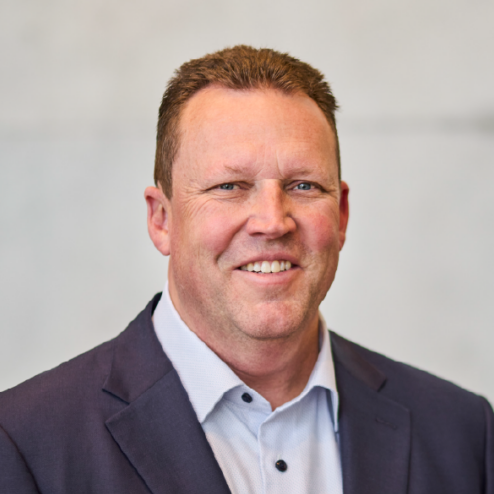
Cade Rowley
President and CEO, Sundt Construction
Named CEO of Sundt in 2025, Cade Rowley began his career with the company as a field engineer after graduating with a degree in civil engineering from Arizona State University in 1998. A builder at heart, Cade is known to get his hands dirty, listens first, and solves problems shoulder-to-shoulder with his fellow employee-owners. Cade brings three decades of success on critical projects and experience in multiple roles across Sundt including President and Chief Operating Officer and Industrial Group President.
His skill, work ethic, and leadership led to major accomplishments and growth. From 2022 to 2024 Rowley served as President of Sundt’s Industrial Group, which nearly tripled in volume to over $1.3 billion in annual revenue in less than three years. He has led critical infrastructure projects across several states, expanding the geographic market of Sundt to the Southeast.
Cade has been instrumental in positioning Sundt for continued success. Under his leadership Sundt has become a known expert in multiple industrial construction sectors including water/wastewater, heavy industrial and mining, and advanced facilities. Rowley also played an instrumental role in the company’s successful expansion from a regionally focused contractor to a national presence with offices and jobsites in more than two dozen states. His 10-year plan sets a bold path of growth with initiatives to lead the construction industry in safety, quality, craft excellence, innovation, and client satisfaction.
A registered professional engineer, Cade serves on the Sundt Board of Directors, is a member of The Beavers—a national heavy civil construction organization—and participates in the Arizona Chapter of the Associated General Contractors of America (AGC), the AGC Board of Governors, and the AGC Political Action Committee Board of Trustees.
Cade demonstrates his commitment to community and service through workforce development initiatives, including support for Sundt’s award-winning, nationally recognized training and apprenticeship programs. He exemplifies Sundt’s core value of service, dedicating significant time and effort to giving back through Sundt Foundation volunteer events, faith-based organizations and fundraising programs.
Cade places a high value on community and industry service, as evidenced by his involvement in organizations such as the Arizona Chapter of the Associated General Contractors (AGC) of America, where he served as Chairman of the Board of Directors and as a member of the Board of Governors and Political Action Committee Board of Trustees for the national AGC.
10:00 AM – 11:30 AM
Federal & State Policy – Building a Unified Federal – State Framework for Community Resilience
Location: Sequoia Ballroom
Join federal and state leaders to explore the policy environment that shapes resilience and lifeline infrastructure. The panel will discuss where the current Administration stands on resilience priorities, infrastructure investment, interagency coordination, and the potential impact of these policies on states focusing on experiences from disaster response and recovery, highlighting both successes and ongoing challenges. They will also address how fragmented programs for response, recovery, and mitigation create challenges, while highlighting opportunities to harmonize funding streams and establish a more unified national framework.
Takeaways:
- Insight into the current administration’s priorities for resilience and infrastructure.
- Recognition of the value of a unified framework for planning, funding, and accountability.
- Opportunities for stakeholders to engage in and influence future policy direction.
- Insights into state strategies that have proven effective.
- Recognition of persistent vulnerabilities and lessons not yet acted upon.
- A prioritized list of resilience strategies states should pursue now.
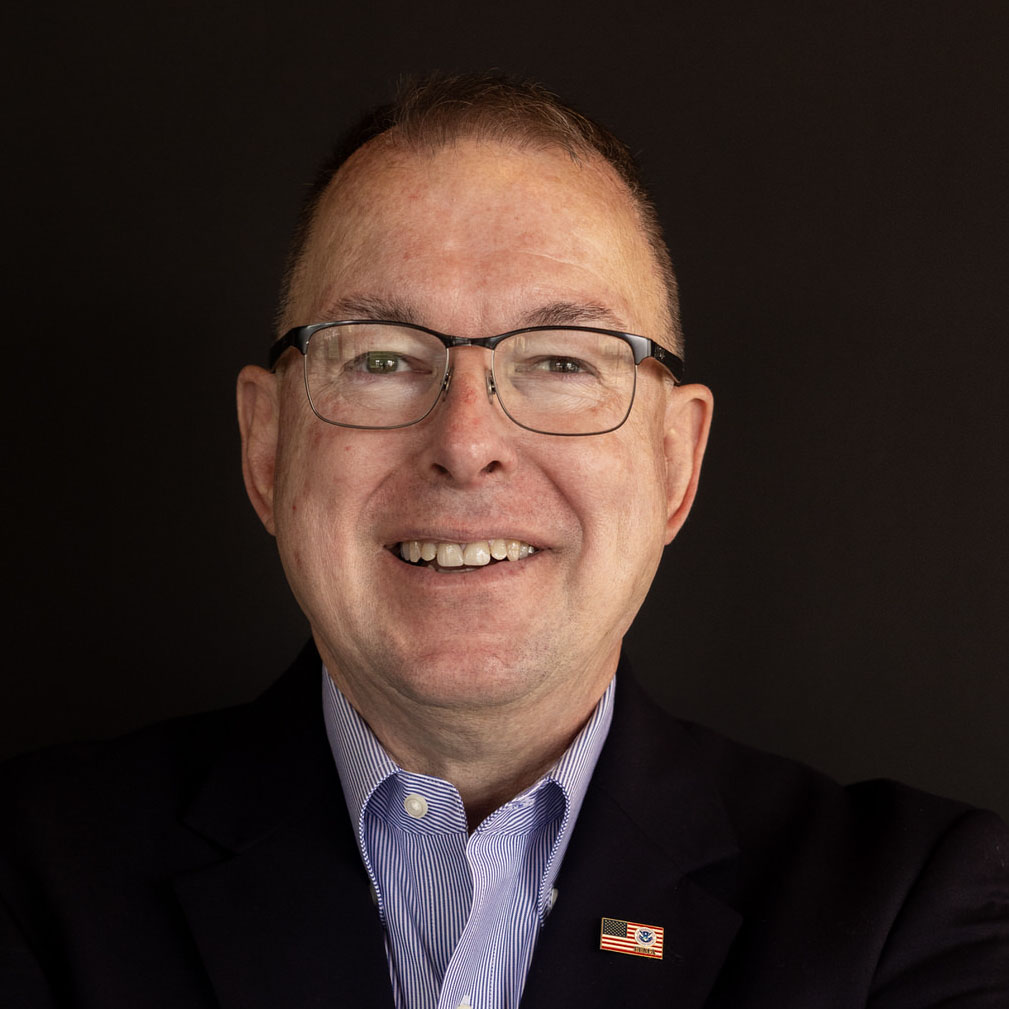
Pete T. Gaynor
President, Bright Harbor
Pete Gaynor is the President of Bright Harbor, a start-up helping clients anticipate, prepare for, and manage the impact of catastrophic events and build resiliency across their enterprises. He served as the Administrator of the Federal Emergency Management Agency (FEMA) from 2019 to 2021, and as Acting Secretary of Homeland Security in 2021, leading the nation’s response to disasters including the COVID-19 pandemic.
Before joining FEMA in 2018, Gaynor served as Director of the Providence Emergency Management Agency and Office of Homeland Security (2015–2018), and as Director of Emergency Management for the State of Rhode Island (2011–2015). He is a retired U.S. Marine Corps officer with 26 years of service, including deployments to Operations Desert Shield, Desert Storm, and Iraqi Freedom.
Gaynor holds a B.S. in Business Administration from Rhode Island College and an M.A. in National Security and Strategic Studies from the Naval War College. He serves on boards and advisories related to emergency management, resilience, and homeland security.
Jason D. Averill
Deputy Director, Engineering Laboratory, National Institute of Standards and Technology (NIST)
Jason D. Averill is the Deputy Director of the Engineering Laboratory at the National Institute of Standards and Technology (NIST). He leads research and programs to advance measurement science, standards, and technologies for resilient buildings and communities, including fire protection engineering, structural performance under multi-hazard events, and community resilience planning.
At NIST, Averill has led landmark investigations and studies, including the National Construction Safety Team investigation of the Station Nightclub Fire and work supporting the development of community resilience planning guides. He has published extensively on fire dynamics, emergency egress, and performance-based design, and has served on national and international technical committees.
Averill holds engineering degrees and has received multiple awards for federal service and scientific leadership in building and fire research.

Natalie Enclade
Executive Director, BuildStrong America
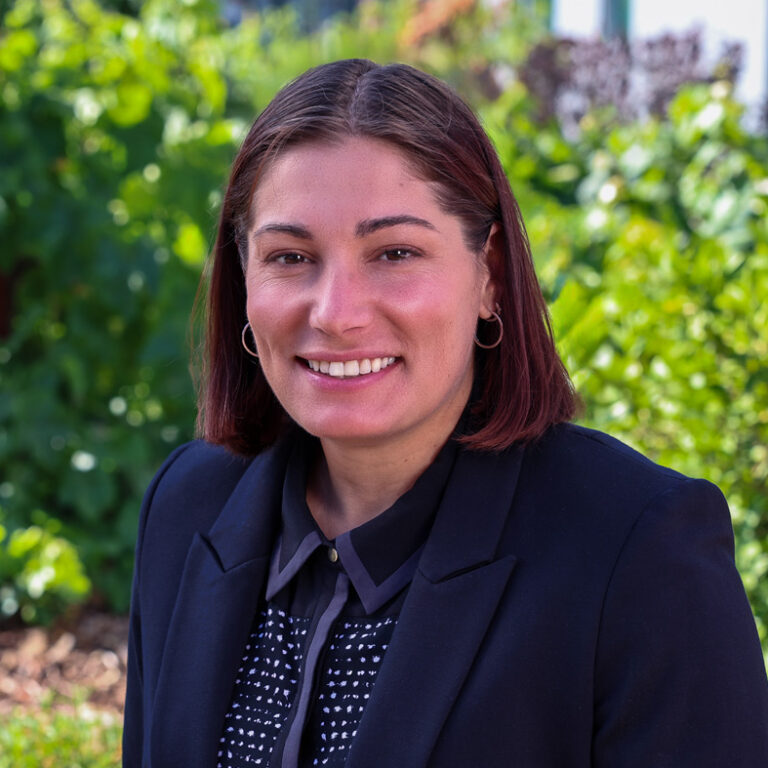
Deputy Director of Recovery, California Governor’s Office of Emergency Services Robyn Fennig was appointed Assistant Director of the Hazard Mitigation Program in February 2024 after serving as the Division Chief of Hazard Mitigation Planning for 2023-2024. Robyn brings a wealth of experience from Wisconsin’s Division of Emergency Management, where she worked from 2012-2017 and 2018-2023. From 2017-2018, Robyn served as a Research Scientist at the Association of State Floodplain Managers. She holds a B.A. in Economics from the University of Wisconsin-Eau Claire, a M.S. in Urban and Regional Planning from the University of Iowa and has been a Certified Floodplain Manager since 2012. Robyn is enthusiastic about connecting practitioners and communities to resources that build and enhance local resilience capabilities. She has an interest in the overlap between planning, zoning, and capital improvement planning with hazard mitigation and disaster recovery.
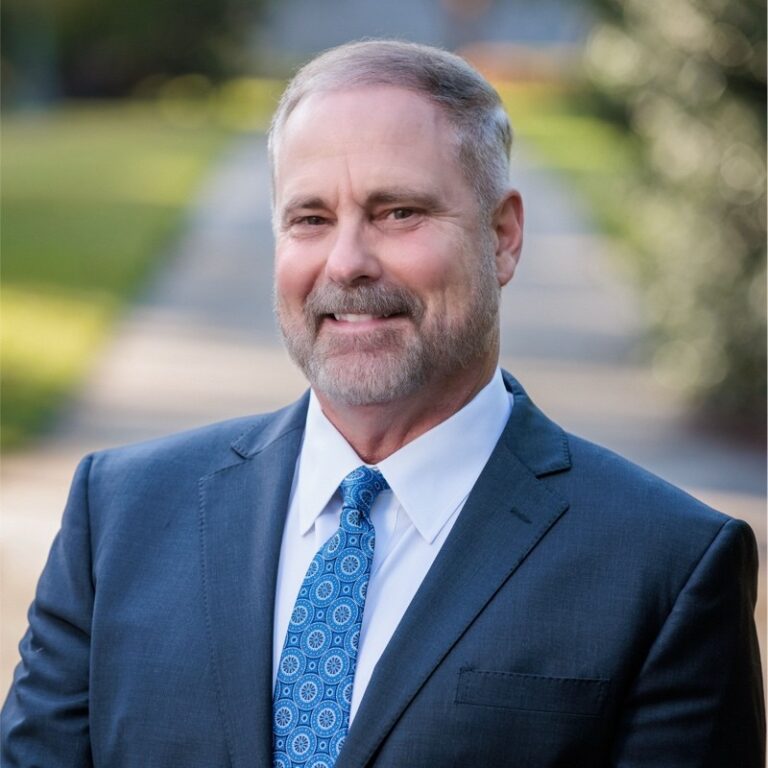
Mark Cooper
FEMA Review Council; Chief of Staff to Governor John Bel Edwards
Mark Cooper has over 30 years of leadership experience in government and business at local, state, national, and international levels. He has advised officials ranging from local leaders to Fortune 1 CEOs and federal authorities. Mark is dedicated to fostering multistate and national relationships, collaborating with organizations such as the National Governor’s Association, Harvard Kennedy School, and the Naval Post Graduate School/Center for Homeland Security and Defense. His work spans government affairs, nonprofits, and businesses, with strategic partnerships in national governmental affairs organizations.
In May 2025, Mark was appointed to the President’s 12-member FEMA Review Council to improve agency efficiency, streamline operations and grants, and reimagine FEMA’s disaster response and recovery operations to the benefit and support of state and local governments.
Between February 2017 and January 2024, he was Chief of Staff for Louisiana Governor John Bel Edwards, helping the state manage emergencies like COVID-19 and three major hurricanes while advancing policy initiatives in homeland security, economic development, veteran affairs, corrections, rural development, education, and healthcare.
Previously, Mark was Senior Director of Global Emergency Management at Walmart, overseeing emergency operations for 10,000 facilities and 2 million employees, and representing Walmart at the United Nations as a founding member of its Executive Board for Global Resiliency. He also served as Director of the Governor’s Office of Homeland Security and Emergency Preparedness on the cabinet under Louisiana Governor Bobby Jindal from 2008 to 2011, leading recovery efforts for Hurricane Katrina and Louisiana’s response to the BP Oil Spill, Hurricanes Gustav and Ike, and other major disasters.
Prior roles include nearly 20 years with Los Angeles County government in various leadership positions including fire, law enforcement, emergency services, and general government operations. This includes supporting responses to major incidents such as the 1992 Los Angeles unrest and Northridge earthquake.
Mark has served two terms on the FEMA National Advisory Council and completed the Executive Leadership Program at the U.S. Naval Post Graduate School/Center for Homeland Security and Defense. He holds finance and public administration degrees from Louisiana State University.
He is married to Sandra Erickson Cooper, a 4th grade elementary school teacher, and has four children.

Moderator
Mackenzie Smith Ledet
Director, Government Relations, James Hardie
With over fifteen years of experience at the intersection of government relations and the law, Mackenzie is a proven expert in local, state and federal public policy, lobbying, incentives and economic development. Mackenzie’s passion lies in building coalitions to support advocacy efforts and working with government officials and community leaders from all backgrounds and communities to achieve economic prosperity for all. As Director of Government Relations at James Hardie Building Products Inc., Mackenzie manages the company’s interaction with government at the local, state and federal levels in North America, Europe and Australia. Prior to joining James Hardie, Mackenzie managed the government affairs for Stonehenge Capital Company, a private equity firm focused on investing in underserved communities through economic development incentives. Mackenzie holds a Juris Doctor from Louisiana State University in Baton Rouge, Louisiana where she practiced law for a number of years before returning to a career in government affairs.
11:30 AM – 11:45 AM
Summary Remarks by Dr. George Guszcza
Location: Sequoia Ballroom
11:45 AM – 1:30 PM
Lunch & Mingle
Location: Sequoia Ballroom
Join us for a hosted lunch and informal networking.
1:30 PM – 1:40 PM
Remarks with Sheriff Barnes
Location: Sequoia Ballroom
Sheriff Barnes will be addressing the Orange County Emergency Planning, Response, Recovery Integrated Network (OC EPRRIN) initiative.
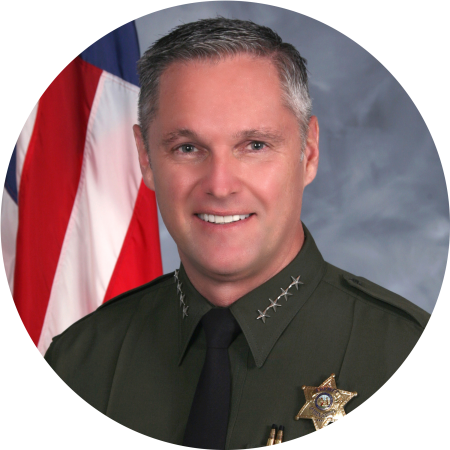
Sheriff Don Barnes
Sheriff-Coroner
1:40 PM – 1:45 PM
01:45 PM – 02:55 PM
Financing the Future – Investment Strategies Amid Limited Public Funds
Location: Sequoia Ballroom
With declining public budgets and growing risk, this session explores innovative financing solutions—from resilience bonds to public–private partnerships—that can scale infrastructure resilience efforts across sectors.
Takeaways:
- How to engage private entities and explore new investment opportunities when public funds are insufficient.
- Practical pathways and real-world models for financing resilience initiatives.
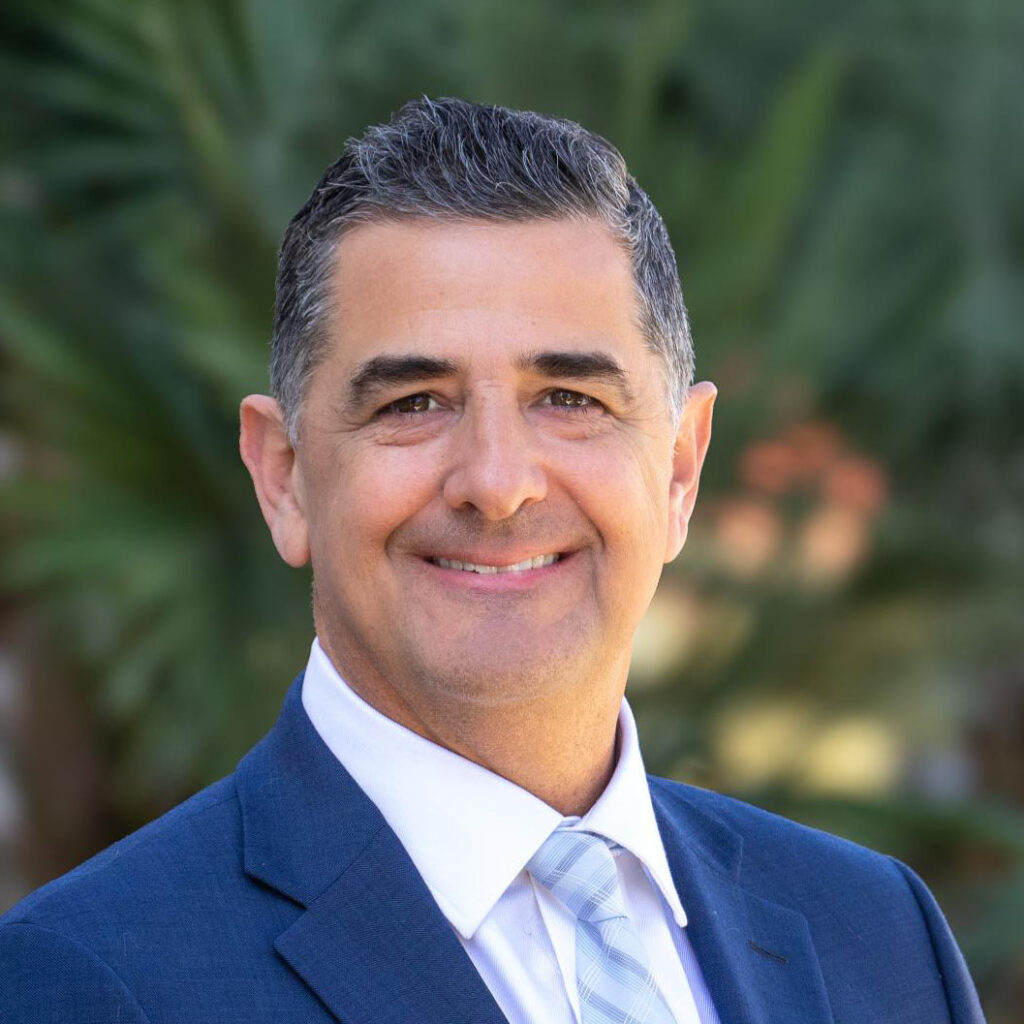
Jeff Montejano
CEO, Building Industry Association of Southern California
Jeff Montejano is Chief Executive Officer of the Building Industry Association of Southern California, representing thousands of member companies and advocating for housing, infrastructure, and economic development across the region. He leads policy initiatives, government affairs, and strategic partnerships to tackle affordability, supply constraints, and regulatory barriers to building.
Montejano has served in senior roles in public affairs and government, including advisory positions with local governments and agencies. He is recognized for coalition-building and consensus strategies that align private and public stakeholders around responsible growth and resilient, attainable housing.
He holds degrees in public policy and communications and serves on advisory boards focused on housing, infrastructure, and workforce development in Southern California.
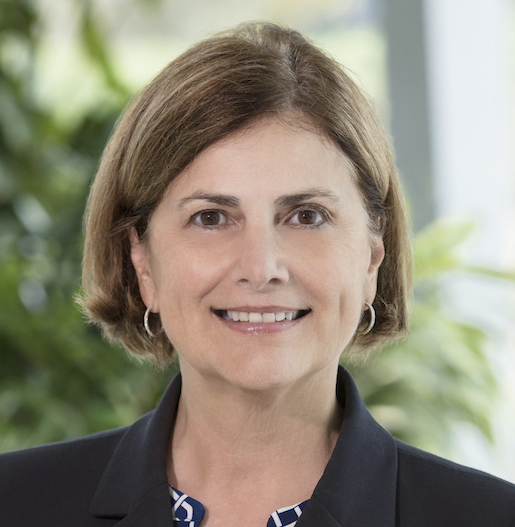
Janiele Maffei
Chief Mitigation Officer, California Earthquake Authority
Janiele Maffei is the Chief Mitigation Officer of the California Earthquake Authority (CEA) and Executive Director of the California Residential Mitigation Program (CRMP). She leads statewide initiatives to reduce seismic risk, expand retrofitting programs, and improve residential resilience through policy, incentives, and public education.
Maffei has more than three decades of experience in structural engineering, with leadership roles in design and risk mitigation for essential facilities and critical infrastructure. She has served on technical committees advancing performance-based seismic design and collaborates with public agencies to translate science into community-level action.
She is a licensed structural engineer and frequent speaker on earthquake resilience, building codes, and mitigation policy.
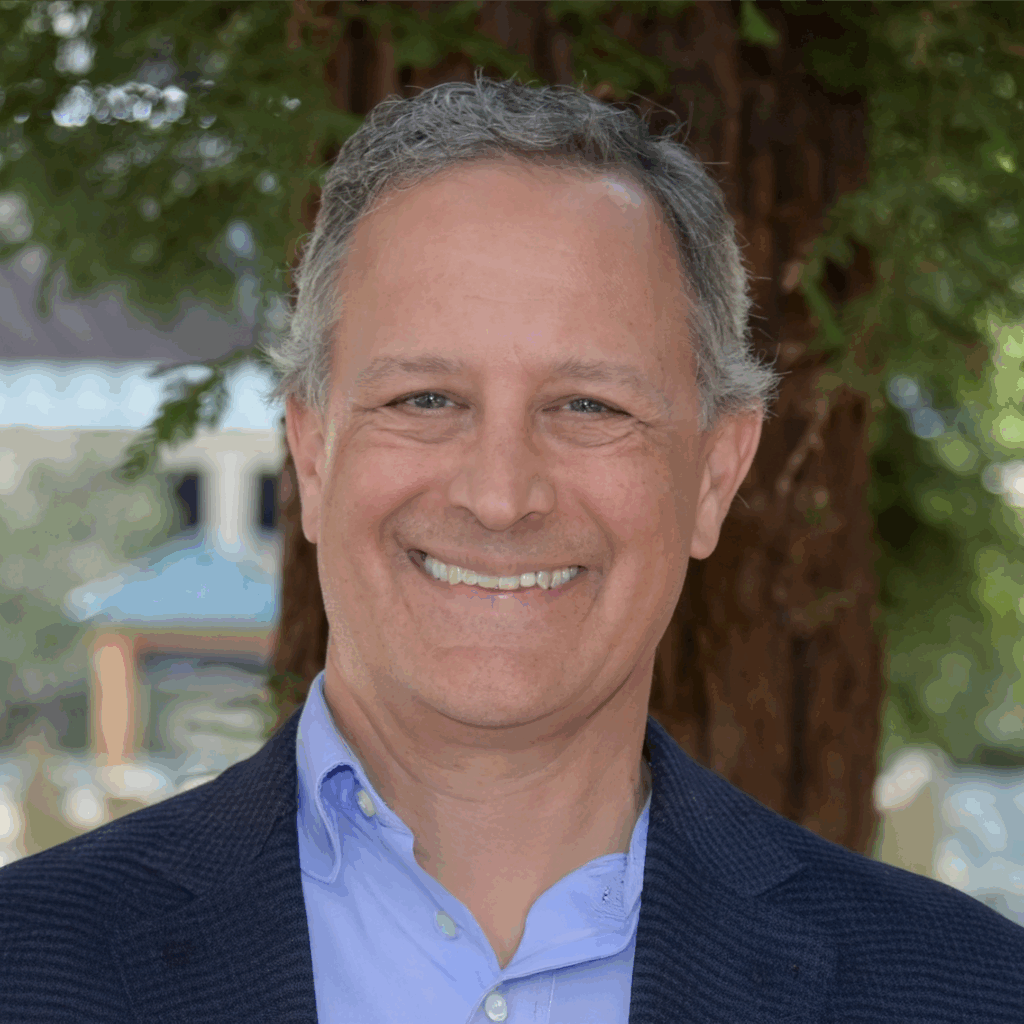
Joe Karkoski
Deputy Director, Division of Financial Assistance
California State Water Resources Control Board
Joe Karkoski serves as the Deputy Director in the Division of Financial Assistance at the State Water Resources Control Board. In this role, Joe oversees the provision of grants and loans for a diverse array of projects aimed at supporting communities across California. These projects include initiatives in drinking water, wastewater, water recycling, groundwater cleanup and remediation, and stormwater management. Additionally, Joe's division is responsible for the certification of drinking water and wastewater operators.
Before joining the State Water Board, Joe did stints at the Central Valley Regional Water Quality Control Board and the United States Environmental Protection Agency. He holds a degree in Chemical Engineering from Michigan State University and a Master in Public Policy and Administration from CSU, Sacramento.

Chelsy Shipman
Associate Director, U.S. Public Finance
S&P Global
Chelsy is an associate director within S&P Global’s U.S. Public Finance Department and is part of the U.S. Municipal Water and Sewer Team.
Prior to joining S&P, Chelsy worked in Washington, D.C. where she assisted organizations facing a number of reputational, regulatory, and public affairs challenges. Chelsy also worked with several global financial institutions, while based in London, to help convey their priorities regarding regulation, digital disruption, new market competition, as well as environmental, social, governance (ESG) to key stakeholders. This work included helping investors to consider the long-term and environmental impact of their portfolios.
Chelsy holds a Master of Public Policy in International Political Economy from King’s College London, and a Bachelor of Arts in Political Science from the University of North Texas. She is also certified by the Municipal Bond Club of New York.
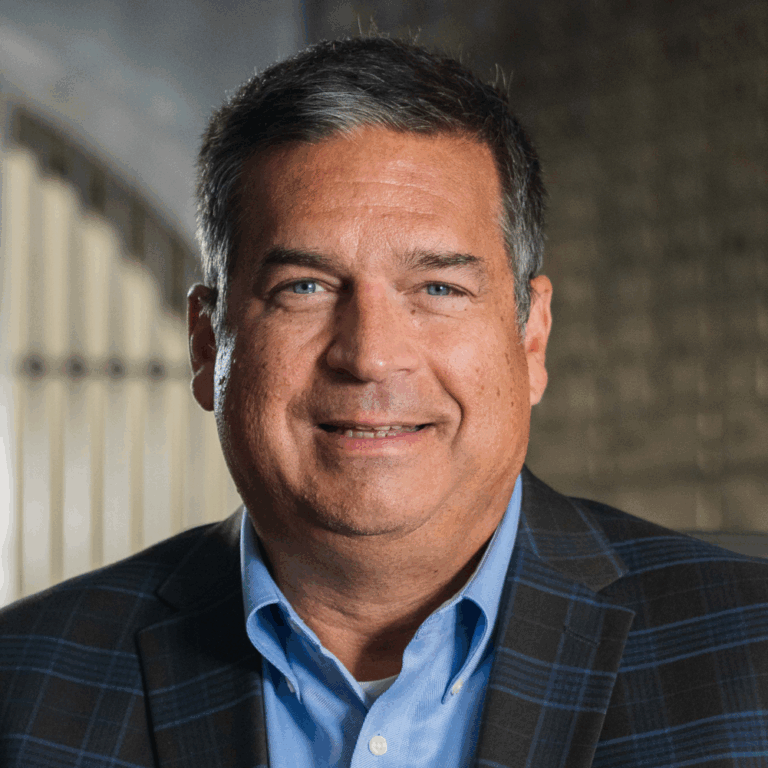
Jeff Ball
President & CEO, Orange County Business Council
Jeffrey K. Ball (“Jeff”) is the President and Chief Executive Officer of the Orange County Business Council where he represents the interests of local businesses and organizations together with academia and government to promote the economic growth of the nation’s sixth largest county, Orange County, California.
Ball is the Founder of First Pacific Bank (formerly Friendly Hills Bank) where he previously served as President and Chief Executive Officer and is currently board vice chair. His more than 30 years of experience in commercial and investment banking includes leadership positions with Bank of America, as well as past Chair of the California Bankers Association. Currently, he serves on the Board of Directors for the Federal Home Loan Bank of San Francisco, Mobility21, Data Center, Inc. and Kinetic Academy charter school. He is also a member by appointment of the Legal Services Trust Fund Commission of the California State Bar and the Accrediting Commission for Community and Junior Colleges.
Prior to earning his MBA from Whittier College, Ball earned his Bachelor of Arts from the University of Puget Sound. An advocate of financial literacy, Ball frequently guest lectures on the topics of financial and economic principles at high schools and universities across the nation.
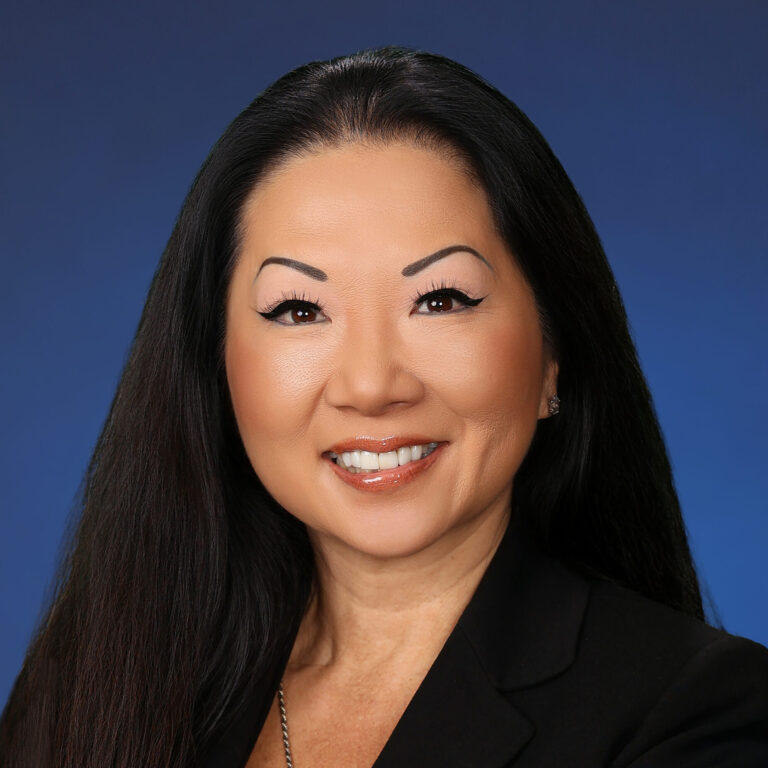
Moderator
Joone Kim-Lopez
General Manager & CEO, Moulton Niguel Water District
Joone Kim-Lopez is the General Manager and CEO of the Moulton Niguel Water District in Orange County, California. She has led nationally recognized initiatives in water efficiency, customer service, and infrastructure modernization, while advancing fiscal stewardship and environmental sustainability.
Prior to Moulton Niguel, Kim-Lopez served in leadership roles at other California public agencies and has been a strong voice for regional collaboration on water supply reliability and climate adaptation. She is actively involved in community partnerships and workforce development programs.
Kim-Lopez holds advanced degrees in public administration and has been honored for innovation and public service in the water sector.
2:55 PM – 3:10 PM
Break
3:10 PM – 4:20 PM
Lifeline Infrastructure – Business Cases from Operators
Location: Sequoia Ballroom
Executives from the building, water & wastewater, energy, transportation, and telecommunications sectors will present real-world business cases, exploring successes, persistent challenges (siloed planning, cultural/organizational barriers, data-sharing gaps), and emerging tools and frameworks for coordinated planning, faster recovery, and long-term reliability.
Takeaways:
- Why silos persist across lifeline operators and the risks they create.
- Key gaps in operational planning and cross-sector coordination.
- Practical steps operators can take to strengthen joint resilience planning and emergency response.
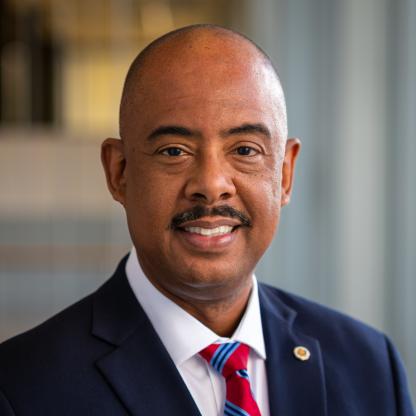
Anselmo G. Collins
Sr. Assistant General Manager – Water System, LADWP
Anselmo G. Collins is the Senior Assistant General Manager for the Water System at the Los Angeles Department of Water and Power (LADWP). He oversees water system operations, planning, and capital programs that serve four million residents, including water supply reliability, infrastructure modernization, and resilience to drought and seismic hazards.
Collins has led major initiatives in water conservation, recycled water expansion, and interagency coordination across Southern California. His career spans engineering, program management, and utility leadership, with a focus on long-term planning and community engagement.
He holds engineering and management degrees and serves on regional water and infrastructure advisory bodies.
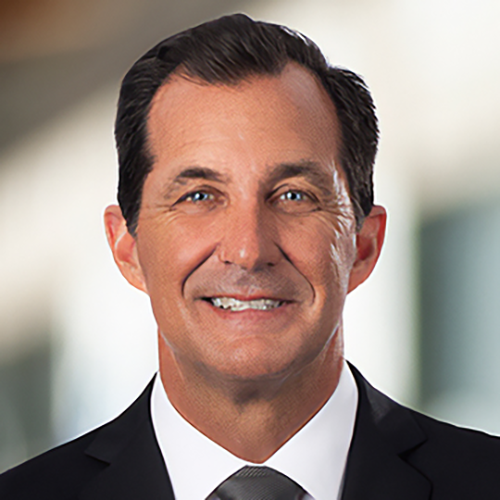
Mark Pestrella
Director, Los Angeles County Public Works
Mark Pestrella is the Director of Los Angeles County Public Works, one of the largest public works agencies in the United States. He manages integrated services encompassing transportation, water resources, environmental services, and infrastructure delivery for more than ten million residents, with an emphasis on resilience, sustainability, and equity.
Throughout his career at Public Works, Pestrella has advanced multi-benefit stormwater projects, flood risk management, and partnerships that connect infrastructure to community outcomes. He is a frequent collaborator across jurisdictions on climate adaptation and regional infrastructure strategies.
Pestrella is a licensed civil engineer and has received numerous awards for public service and leadership in infrastructure.
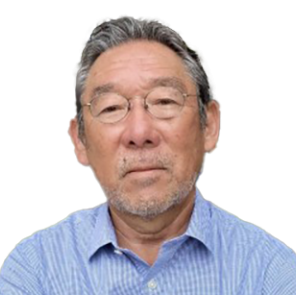
Ronald T. Eguchi
CEO & Co-Founder, ImageCat, Inc.
Ronald T. Eguchi is the Chief Executive Officer and co-founder of ImageCat, Inc., a global risk management company specializing in remote sensing, catastrophe modeling, and advanced analytics for natural hazards. He has over four decades of experience in disaster risk reduction, loss estimation, and lifeline infrastructure resilience.
Eguchi has led major projects for federal agencies, international organizations, and private-sector clients, integrating satellite imagery and data science to improve damage assessment and recovery planning. He has authored numerous publications and serves on advisory committees advancing resilient infrastructure and risk analytics.
Eguchi holds engineering degrees and is the recipient of awards recognizing his contributions to the fields of earthquake engineering and disaster risk management.
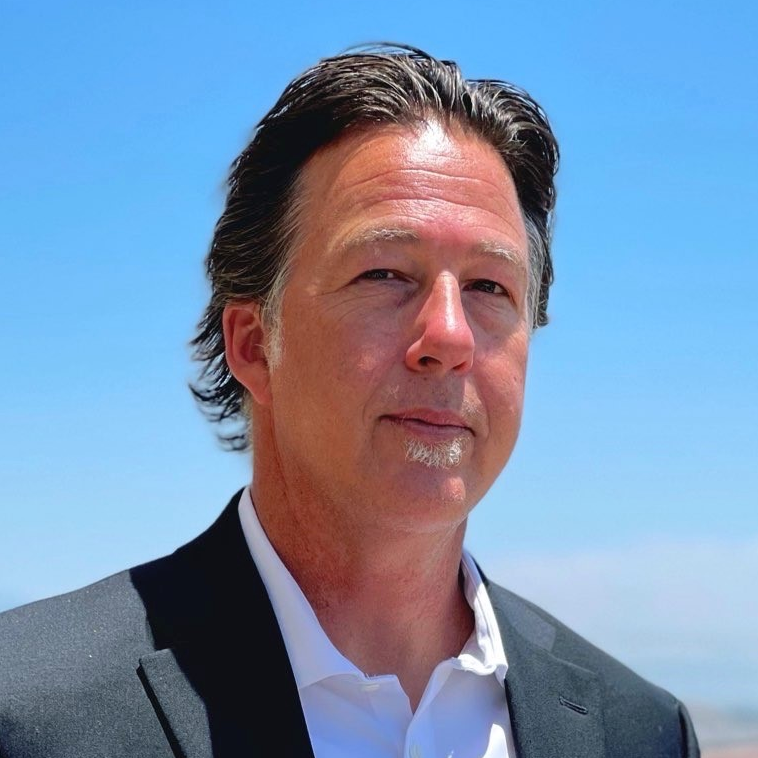
Tim Lindolm
Chief Program Management Officer
Los Angeles County Metropolitan Transportation Authority (Metro)
Tim Lindholm is the Chief Program Management Officer at the Los Angeles County Metropolitan Transportation Authority (Metro), where he leads 300 Program Management employees executing the largest transportation infrastructure program in the nation—a $35 billion portfolio of approximately 60 active rail, bus, and highway projects. His leadership spans transformative efforts such as the LAX/Metro Transit Center Station, Purple (D Line) Extension, and the East San Fernando Valley Light Rail Transit Project, along with major upcoming initiatives including the Southeast Gateway Line and Eastside Phase 2 extension projects. With nearly 25 years at Metro, Tim brings deep expertise in project and construction management, alternative delivery methods, strategic planning, and stakeholder engagement. A graduate of San Diego State University and a licensed California Professional Geologist, Tim has been instrumental in advancing Metro’s mission to deliver a world-class transportation system that enhances quality of life across L.A. County.
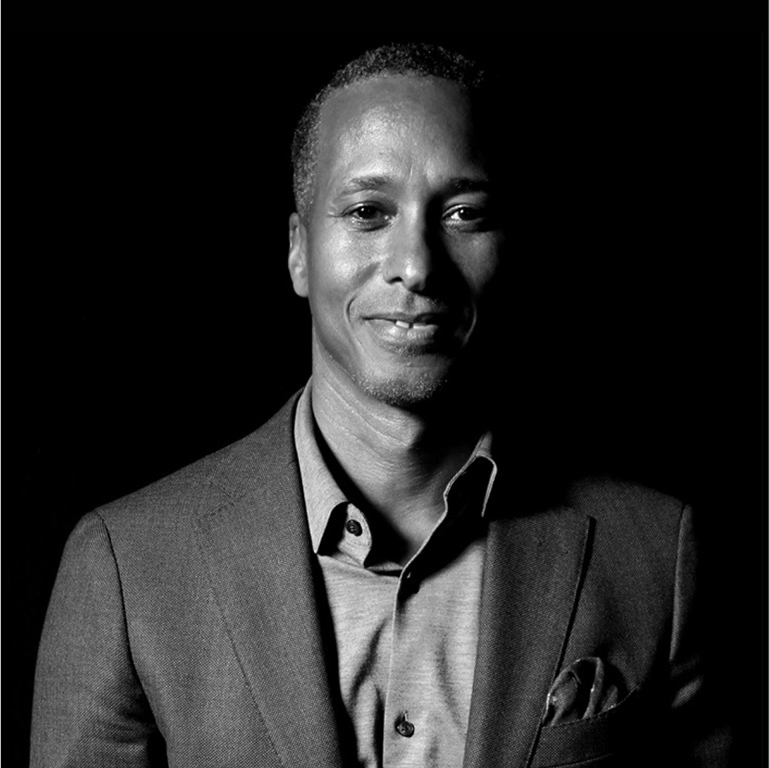
Darrell Johnson
CEO
Orange County Transportation Authority
Darrell E. Johnson serves as the Chief Executive Officer of the Orange County Transportation Authority (OCTA), a dynamic agency consisting of 1,400 dedicated professionals. With a focus on enhancing mobility and sustainability for over 3 million county residents, Johnson leads a comprehensive portfolio of multimodal projects, initiatives, and services.
Guided by OCTA’s 17-member Board of Directors, Mr. Johnson oversees an annual budget exceeding $1.7 billion. His role encompasses strategic oversight of the planning, financing, and implementation of Orange County’s freeway, street, and rail development, in addition to managing countywide transit and commuter-rail services, paratransit service, Express Lanes, active transportation and environmental programs.
Since his appointment as CEO in 2013, Mr. Johnson has championed innovative financing methods to optimize the impact of Measure M, a voter-approved half-cent sales tax for transportation improvements. He has led a drive toward a more sustainable and equitable transportation network, marked by pioneering environmental mitigation and water-quality initiatives, and a trailblazing shift towards a zero-emission bus fleet.
Moderator
Joone Kim-Lopez
General Manager & CEO, Moulton Niguel Water District
Joone Kim-Lopez is the General Manager and CEO of the Moulton Niguel Water District in Orange County, California. She has led nationally recognized initiatives in water efficiency, customer service, and infrastructure modernization, while advancing fiscal stewardship and environmental sustainability.
Prior to Moulton Niguel, Kim-Lopez served in leadership roles at other California public agencies and has been a strong voice for regional collaboration on water supply reliability and climate adaptation. She is actively involved in community partnerships and workforce development programs.
Kim-Lopez holds advanced degrees in public administration and has been honored for innovation and public service in the water sector.
4:20 PM – 4:30 PM
Day 1 Wrap-up
Location: Sequoia Ballroom
Recap of highlights, reflections, and a preview of what’s next.
4:30 PM – 6:00 PM
Networking Reception
Location: Sequoia Ballroom and Sequoia South Foyer
Enjoy bites and beverages while connecting with peers, speakers, and partners.
January 29, 2026
07:45 AM – 03:00 PM
Registration Open
Start your experience by checking in at the registration desk. Pick up your badge, event materials, and get assistance with any questions.
08:00 AM – 08:45 AM
Continental Breakfast
Location: Sequoia Ballroom
Light breakfast and connection time with fellow attendees.
08:45 AM – 10:15 AM
Listening Session
Cross-sector dialogue capturing practitioner, policymaker, operator, and researcher perspectives in an interactive format.
10:15 AM – 10:20 AM
Break
10:20 AM – 10:55 AM
Exhibitor Break
Location: Sequoia Ballroom
Visit the exhibit area to connect with partners and sponsors.
10:55 AM – 11:00 AM
Break
11:00 AM – 12:10 PM
Making the Case: Reliability and Service Standards for Lifeline Infrastructure Operators
Location: Wisteria
Lifeline infrastructure—power, water, transportation, communications, and buildings—underpins community resilience, but operators face aging assets, rising hazards, regulatory pressure, and tight budgets. This session examines the evolving business case for prioritizing resilience and how service requirements, risk mitigation, and interdependencies shape investment decisions. Experts share examples, policy frameworks, and performance metrics that translate resilience into tangible value for regulators, stakeholders, and the public.
Learning objectives:
- Understand best practices to strengthen reliability and service continuity.
- Identify practical challenges and barriers to advancing resilience investments.
- Explore operators’ priority needs (tools, policies, standards) to enable stronger action.
- Articulate the economic and societal value of reliability investments for public safety and continuity.
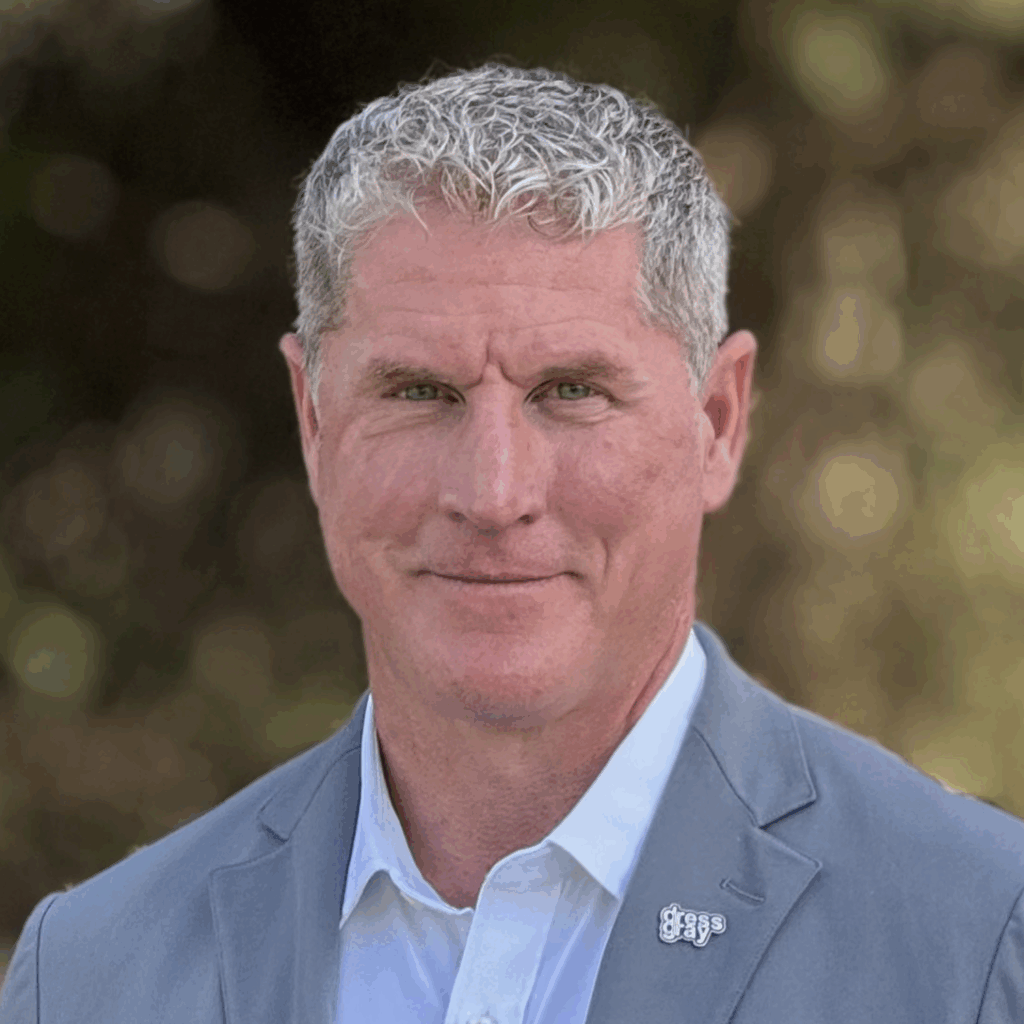
Scotty Galloway
President
dress gray consulting
Scotty Galloway is President of dress gray consulting, a disabled veteran business enterprise (DVBE) providing project and construction management services to developers, lenders, and public-sector clients. A West Point graduate with a civil engineering degree and service in the U.S. Army Corps of Engineers. He is an alumnus of Harvard’s Advanced Management Development Program, earned his MBA at USC, and an MS Construction from Arizona State University. He brings a disciplined, data-driven approach to managing complex capital projects from concept through closeout.
With more than twenty-five years of experience spanning construction, construction management, and development-for-fee, Scotty focuses on protecting owner interests through rigorous cost, schedule, and scope control. His background includes general contractor, owner’s representative, and developer. He is known for developing and implementing project controls, evaluating contractor performance and change orders, managing third-party testing and commissioning, and integrating digital platforms such as Autodesk Build, Bluebeam, and AI to maintain transparency and accountability.
Scotty served as a professor at the University of Southern California for seven years, teaching estimating and construction management in their master's program. Based in Southern California, he has directed industrial, logistics, and municipal developments across the United States. His leadership at dress gray reflects a mission-driven commitment to clarity, precision, and results—ensuring that every project meets its technical, financial, and operational objectives.
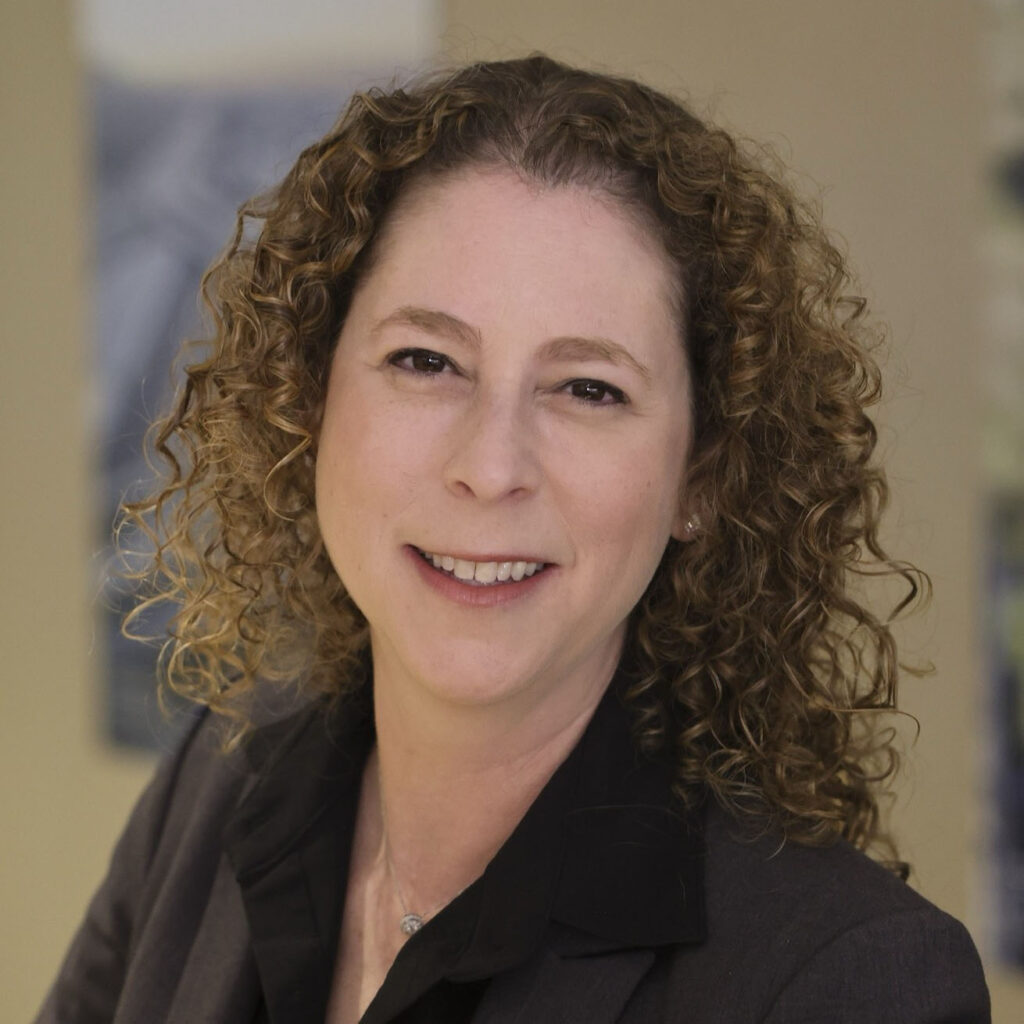
Jordanna Rubin
SVP, Disaster Resilience
AECOM
As Senior Vice President and Disaster Resilience Market Sector Leader at AECOM, Jordanna Rubin helps communities move from recovery to resilience through whole-systems thinking and precision implementation. With over 25 years of experience in disaster recovery, sustainability, and resilience, Jordanna leads a global Portfolio Management Office focused operational readiness – rapidly mobilizing integrated teams, resources and solutions to restore critical lifelines and accelerate recovery.
Jordanna focuses on strengthening the interconnections across housing, energy, transportation, water, and public health systems to ensure recovery investments deliver lasting impact. Her work spans wildfire and flood recovery, housing reconstruction, and community capacity planning. Jordanna is dedicated to helping clients design solutions that restore stability today while strengthening systems for the future.
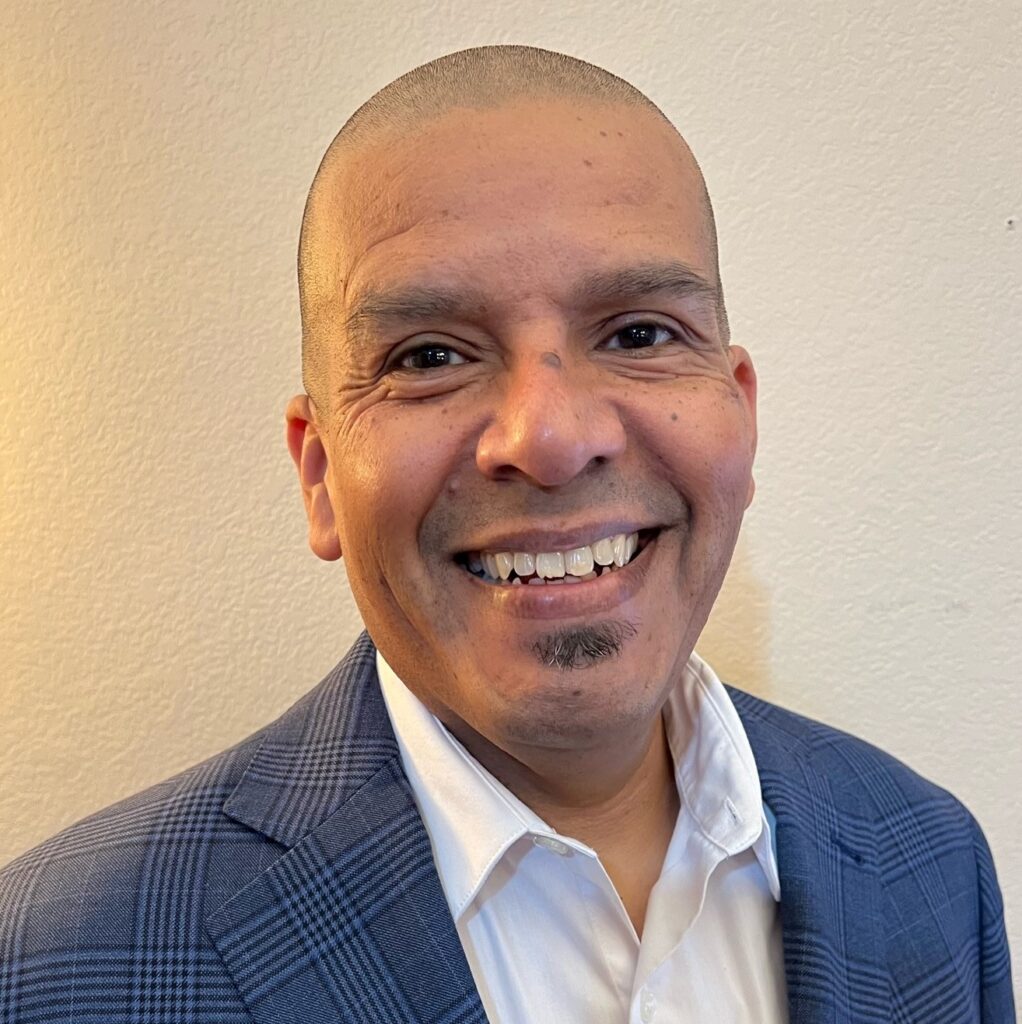
Mike Ramirez
Business Resiliency Advisor, Southern California Edison
Michael A. Ramirez is a Business Resiliency Advisor at Southern California Edison (SCE), where he leads a team of experts in designing and delivering high-impact emergency exercises, including the annual SCE Resilient Grid Exercise. These exercises prepare Incident Management Teams and key stakeholders to manage large-scale disruptions while upholding SCE’s values.
He also chairs the Southern California Critical Lifelines Workgroup, coordinating public and private sector efforts to strengthen infrastructure resilience and accelerate restoration of safe, reliable, and affordable energy to communities.
With over 20 years of public sector emergency management experience in Orange and San Bernardino Counties, Michael has directed planning, training, and response for multiple complex disasters. His credentials include Certified Emergency Manager (CEM), Master Exercise Practitioner (MEP), California Professional Emergency Manager (CA-PEM), and is a graduate of the FEMA Emergency Management Advanced Academy reflecting his commitment to advancing regional preparedness and continuity of essential services.
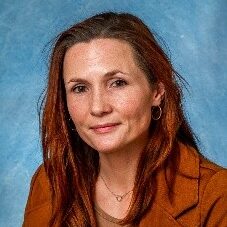
Hannah Walter
Deputy Division Chief, Division of Transportation Planning, California Department of Transportation
Hannah Walter has worked as a Deputy Division Chief in the Division of Transportation Planning at the California Department of Transportation since 2023. Hannah manages five offices that lead planning for resiliency of critical infrastructure from natural and manmade events, transportation modeling and economics, Regional Transportation Plan development, Sustainable Transportation Planning Grants, transit, and complete streets. Previously Mrs. Walter was an Associate Deputy Director for the California Transportation Commission. She managed a freight funding program and led the development of a statewide assessment of zero-emission freight corridors and potential infrastructure projects for the Legislature. She has worked with the Army Corp of Engineers, Engineer Research and Development Center, and other military partners on transportation resilience. Prior to her work at the Commission, she worked as an Executive Policy Advisor for the Department of Water Resources. Hannah has her Bachelor of Arts degree in Intercultural Studies from Prairie College, Canada. Hannah is married and has two children.

Moderator
Eric Rawdon
Director, Infrastructure Programs & Services. NIBS
Eric Rawdon, PE, PMP is the Director of Programs and Services with the National Institute of Building Sciences, providing strategic leadership for complex infrastructure initiatives that advance resilience, sustainability, and performance across the built environment.
Eric brings more than 15 years of experience overseeing large, multidisciplinary programs spanning water, sanitation, energy, buildings, transportation, and industrial infrastructure in the United States and internationally. Eric thrives on complex projects, from rural water systems in Tajikistan to state-of-the-art $200M+ bioenergy facilities in the US, successfully leading teams in challenging geopolitical, technological, or resource-constrained environments. He held senior leadership roles with USAID as the regional engineer responsible for all construction activity across five countries and within Stantec’s Alternative Project Deliver team, responsible for providing quality standards, lessons learned, and supporting the startup of the most complicated projects within the company’s portfolio.
Eric holds a Bachelor of Science in Civil Engineering from Northeastern University and a Master of Science in Civil/Environmental Engineering from Stanford University.
11:00 AM – 12:10 PM
Next-Gen Housing: Advancing Innovation in Building Materials and Components
Location: Sorrel B
With affordability crises, aging stock, and climate impacts, housing needs faster, smarter materials and systems. This session explores advanced composites, modular systems, bio-based materials, and smart components—how they reshape standards, speed builds, and boost durability. Learn the technical, regulatory, and market factors that drive (or slow) adoption.
Learning objectives:
- Evaluate emerging materials for performance, sustainability, cost, and suitability in housing.
- Understand innovation’s role in affordability, adaptation, and supply constraints.
- Identify regulatory/market barriers and strategies to accelerate approval and integration.
- Apply case-study insights and data to inform future material selection and design.
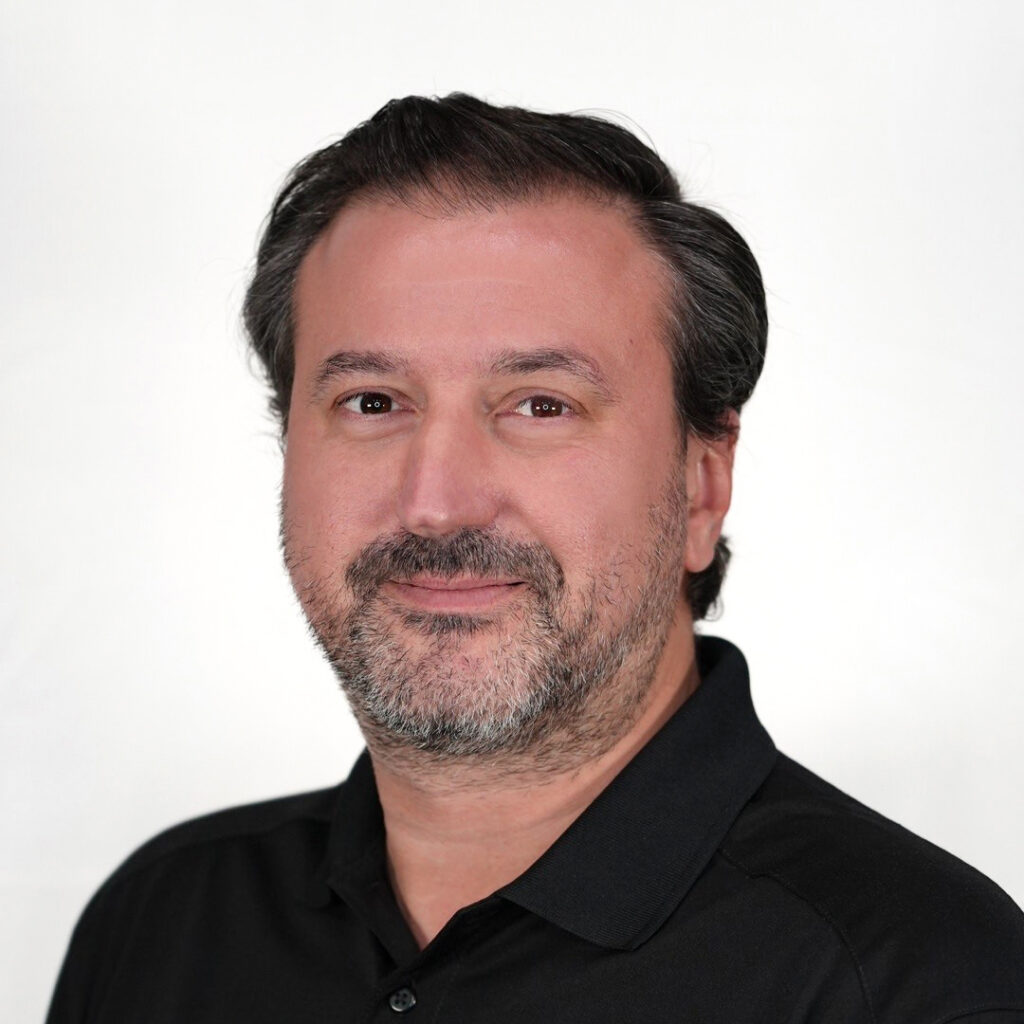
Alex Haldeman
R&M Manager, Jamies Hardie
Alex Haldeman is R&D Manager for James Hardie Building Products, overseeing building codes and compliance for North America. He specializes in innovative materials and methods used in construction, with extensive experience in implementing and advocating for measures that enhance the resilience of homes against natural hazards. As a passionate advocate for sustainable and resilient building practices, Alex has collaborated with various organizations to promote the adoption of home-hardening techniques. Alex's work includes actively participating in codes and standards development and in helping shape policies and guidelines that aim to protect communities and reduce the impact of natural disasters. James Hardie Building Products (NYSE: JHX) is the industry leader in exterior home and outdoor living solutions with products engineered for beauty, durability, and climate resilience; with a portfolio of brands including Hardie®, TimberTech®, AZEK® Exteriors, Versatex®, Fermacell®, and StruXure®; with dozens of operating sites, recycling facilities, and research and development centers globally.
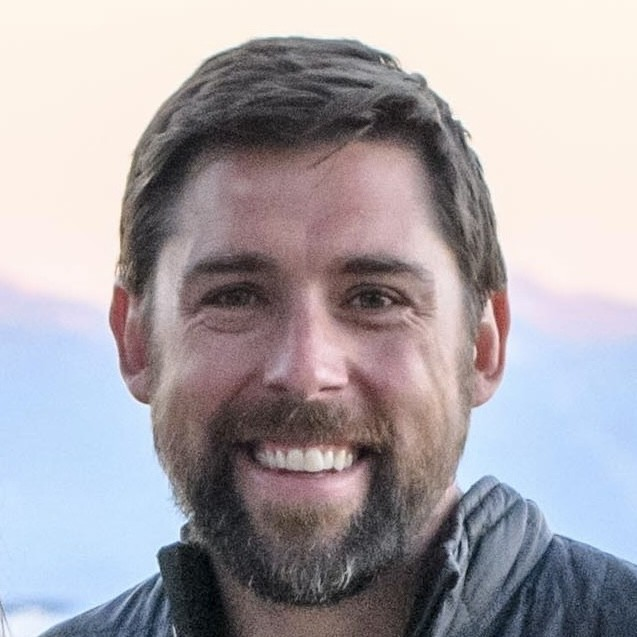
Garrett Moore
Co-Founder and CEO, TektonOS
Garrett Moore is the co-founder and CEO of TektonOS, a construction-tech company transforming residential building through industrialized, multi-trade prefabrication. A former Navy SEAL officer, Stanford quarterback, and engineer, Garrett blends deep operational discipline with a passion for simplifying homebuilding through smart design, off-site manufacturing, and digital automation. At TektonOS, he’s leading a mission to transform housing from an onsite analog project into a digital offsite product. He and his team partner with national builders to halve cycle times, improve quality, and reduce the cost of rough trades. Garrett is also an advocate for practical innovation—bridging software, hardware, and field execution to make housing faster, more affordable, and more scalable.

Michael M. Sebold
Vice President, One Tremco, Tremco CPG Inc.
Michael Sebold is the Vice President of One Tremco at Tremco Construction Products Group. Key to his efforts is the pioneering of product/system innovations to continually respond to the most critical design challenges facing the industry as well as supervising design integration and collaboration to ensure long-term sustainability. Testing and documentation of system/assembly and enclosure performance provides the foundation for building enclosure design recommendations.
Mike has been with Tremco since 1989, starting out as a Technical Service Representative and transitioning into sales within a couple of years. Throughout much of his career, he has focused on the commercial window and curtain wall industry, serving as a Glazing Specialist, North American Sales Manager and Business Manager of Tremco’s Commercial Glazing Systems. Mike also accepted the role of managing Technical Service, BEST Team, Design Engineering and the Test Facility where he was promoted to a Vice President of Technical Solutions prior to his current role. During these roles, he has facilitated the use of Tremco’s glazing components on several of the largest buildings in the world, including the Petronas Towers in Malaysia. He and Peter Poirier, technical director for building envelope solutions, also are responsible for the development of Tremco’s pioneering Proglaze® ETA Engineered Transition Assembly which was awarded a patent in 2012.
A graduate of St, Bonaventure University with a bachelor’s degree in Business Marketing, Mike earned a Masters of Business Administration at the University of St. Thomas.

Moderator
Stephanie Stubbs
Vice President, Technical Solutions, NIBS
Stephanie Stubbs, Assoc. AIA, PMP, is Vice President, Technical Solutions with the National Institute of Building Sciences. Stubbs has served as a Director for NIBS since 2009, and her former title was Director of Facility Lifecycle Management. She manages projects for a number of federal agencies, including the General Services Administration, as well as NIBS councils and joint research ventures with the AIA, such as the BRIK research portal and the Building Enclosure Councils network. Prior to joining NIBS, Stubbs worked for the American Institute of Architects for almost 30 years, serving as researcher and project manager for the AIA Research Corporation, technical editor for Architectural Technology magazine, and then as managing editor for AIArchitect newspaper and Architecture magazine. She earned her BA in Environmental Design and Master of Architecture from SUNY @ Buffalo.
11:00 AM – 12:10 PM
Beyond Survival: Building a National Framework for Functional Recovery and Life Safety
Location: Sorrel A
Life safety is essential, but communities also need buildings and infrastructure to resume essential functions quickly after shocks. This session examines a national framework that balances life safety with functional recovery—policy, engineering, and economic angles; the latest developments; gaps to close; and strategies for public education and adoption.
Learning objectives:
- Distinguish life-safety vs. functional-recovery objectives and their performance implications.
- Analyze benefits/trade-offs of functional-recovery provisions, including cost and resilience.
- Explore policy and technical pathways to implement a national framework across hazards.
- Apply lessons from pilots and case studies to inform planning, design, and engagement.
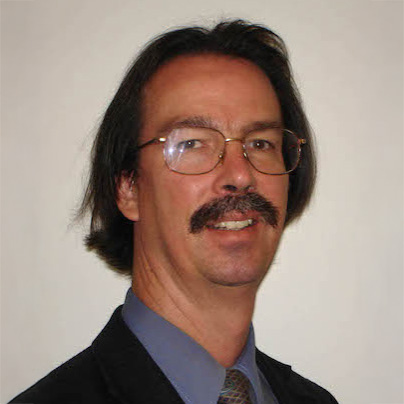
Craig Davis
Manager
C A Davis Engineering
Craig A. Davis, Ph.D., PE, GE is a professional consultant on geotechnical, earthquake and lifeline infrastructure system resilience engineering. During his 32-year career at the Los Angeles Department of Water and Power, Water System (LADWP) he worked as the Departmental Chief Resilience Officer, Resilience Program Manager, Seismic Manager, Geotechnical Engineering Manager and Trunk Line Design Manager. Dr. Davis developed a comprehensive LA Water System resilience program. After retiring from the LADWP, Dr. Davis continues to consult and is involved in creating policy for improving infrastructure systems to threats and hazards. He is a California licensed Civil and Geotechnical Engineer and received a Ph.D. in Civil Engineering from the University of Southern California. Dr. Davis participates in many national and international professional committees involved in geotechnical engineering and lifeline system resilience. He was honored with the ASCE 2016 Le Val Lund Award for Practicing Lifeline Risk Reduction and 2020 Charles Martin Duke Lifeline Earthquake Engineering Award. He received the EERI 2021 Distinguished Lecture Award for outstanding contributions to earthquake risk reduction. He was honored to be in the 2023 introductory class designated as ‘Pipeline Engineer – Water’ by the ASCE Utility Engineering and Survey Institute.

Laurie Johnson
Principal, Laurie Johnson Consulting | Research
Laurie Johnson is an award-winning urban planner specializing in disaster recovery and catastrophe risk management. For over 35 years, she has combined her unique blend of professional practice and research in earth science, urban planning and public policy to help communities, the insurance industry, and other organizations to address the complex challenges posed by natural hazards and disasters. Much of her community recovery experience is captured in her book, After Great Disasters: An In-Depth Analysis of How Six Countries Managed Community Recovery. Her work in infrastructure risk management includes authoring a pathbreaking Lifelines Interdependency Study for San Francisco Lifelines Council, developing national frameworks for improving the resilience of lifeline systems to earthquakes and climate hazards, and creation of the California Wildfire Fund, the indemnity fund for the state’s three largest, private electric utilities. In 2023, she received the Applied Technology Council’s Award of Excellence for extraordinary achievement in improving multi-hazard assessment of lifeline system performance and she is the 2024 recipient of the Alfred E. Alquist Special Recognition Medal from the Earthquake Engineering Research Institute for her extensive work and dedication in improving the seismic safety and resilience of communities around the world.
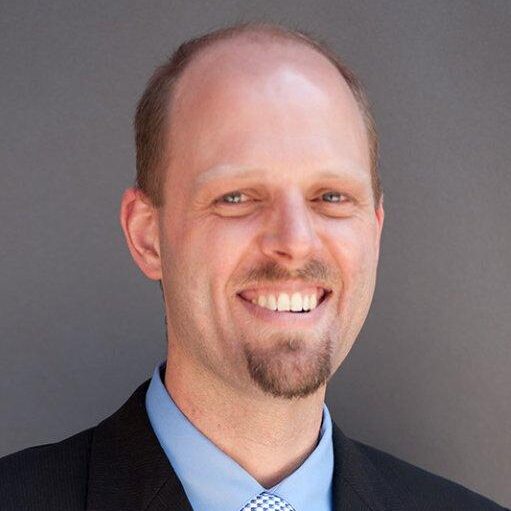
Curt Haselton
Co-Founder & CEO, Haselton Baker Risk Group, LLC
Curt B. Haselton, Ph.D., P.E. is the John F. O’Connell Endowed Professor of Civil Engineering at California State University, Chico, and the Co-Founder and CEO of Haselton Baker Risk Group (sp3risk.com) and the Seismic Performance Prediction Program (SP3); SP3 is a commercial tool to implement FEMA P-58 analyses, with the goal of making broad use of resilience-based design and risk assessment feasible in structural engineering practice. Dr. Haselton's research is in the area of performance-based and resilience-based earthquake engineering, with focuses on resilient design for functional recovery, damage and loss estimation, building code development, collapse safety assessment, ground motion selection and scaling, and the treatment of uncertainties. Dr. Haselton also chaired the Building Seismic Safety Council team to rewrite Chapter 16 of the ASCE 7 building code. Among his awards, Dr. Haselton received the Shah Family Innovation Prize for creativity, innovation, and an entrepreneurial spirit in earthquake risk mitigation and management, and the Helmut Krawinkler Award for leadership in implementing state-of-the-art research into practice.
Moderator
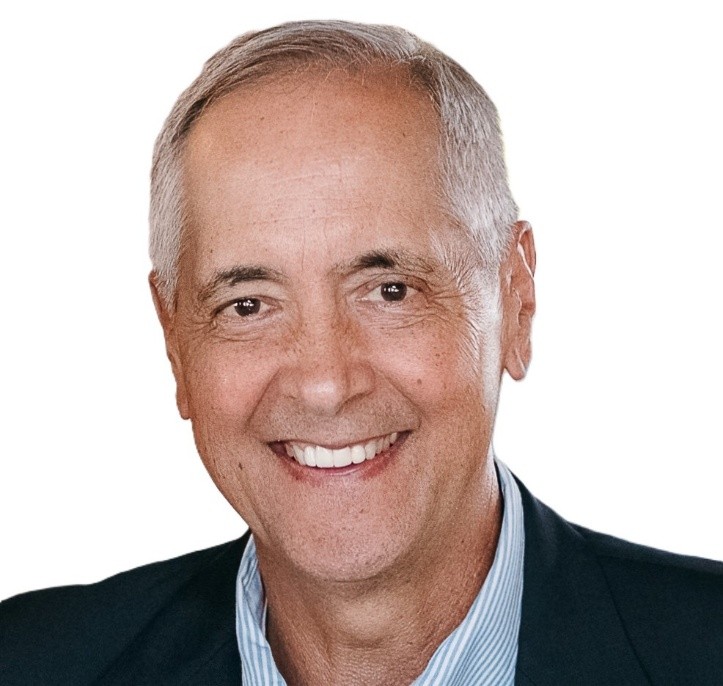
Robert “Bob” Swain
Department of Engineering Leadership and Program Management, School of Engineering, The Citadel; NIBS Board Member
Dr. Swain is an Adjunct Professor in the Department of Engineering Leadership and Program Management (ELPM) in the School of Engineering (SOE) at The Citadel.
Dr. Swain served for over 34 years of active and reserve military service, achieving the rank of Colonel, United States Air Force. During his military career, he served in a variety of progressively responsible command, staff, and leadership positions in Fighter Air and Strategic Airlift Aviation. He has served in combat operations in Iraq, Afghanistan, and Africa. Dr. Swain served as a commercial airline pilot and instructor flying worldwide operations for 35 years, when not deployed during military operations. Dr. Swain served in program leadership positions in both his military and airline careers.
Dr. Swain earned his BS in Management at The United States Air Force Academy (1979), Master’s in Systems Management from the Florida Institute of Technology (1986), and his DEng in Engineering Management from The George Washington University (2022). His dissertation was on aircraft routing and recovery during irregular airline flight operations. He is a Certified Professional Engineering Manager (CPEM) by the American Society for Engineering Management (ASEM). He currently serves on the board of directors for the National Institute of Building Science (NIBS).
12:15 PM – 01:15 PM
Networking Lunch
Location: Sequoia Ballroom
Casual lunch designed to foster conversation and collaboration.
1:15 PM – 01:20PM
Break
01:20 PM – 02:20 PM
Resilience in Action: Bridging Business Owners and Lifeline Operators for Continuity and Risk Reduction
Location: Wisteria
Businesses rely on lifeline infrastructure; operators rely on business demand to justify upgrades. This session convenes business leaders, insurers, and operators to align risk assessments, continuity planning, and resilience investments—turning siloed interests into shared strategies.
Learning objectives:
- Understand shared vulnerabilities and interdependencies between business and lifeline systems.
- Use risk assessments, insurance mechanisms, and performance metrics to create common ground.
- Evaluate strategies for mitigating operational disruptions and coordinating stakeholders.
- Apply case studies and best practices to strengthen continuity planning at scale.
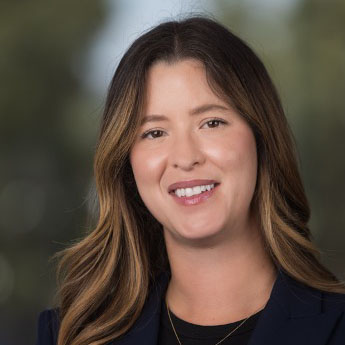
Vanessa Czarnecki
Account Engineering Group Manager
Factory Mutual (FM) Insurance
Vanessa Czarnecki is an accomplished engineering leader with over a decade of experience in risk assessment, technical consulting, and operational management within the commercial property risk industry. As Account Engineering Group Manager at Factory Mutual (FM) Insurance, she oversees the development and growth of account engineers in the Los Angeles Operations, driving efficiency and technical excellence across diverse teams while cultivating strong client relationships.
Vanessa has led strategic initiatives to enhance hazard identification and mitigation, including the creation of a data-informed flood strategy and the advancement of loss prevention solutions in the chemical industry. Vanessa holds a degree in Civil and Environmental Engineering from UCLA.

Michele L. Turner
Head of Global Business Resilience, Marriott International
Michele L. Turner, MBCP, FBCI, CISA, CRISC, CCRP, CRMP is an Amazon #1- bestselling author, Keynote speaker, and resiliency leader with over 30 years’ experience in the areas of Governance, Risk, and Compliance. She is the Chairperson of the Board of Directors for the Disaster Recovery Institute (DRI) International, and Head of Global Business Resilience for Marriott International. This global role includes Above Property- Business Continuity with Operational Resilience Planning, Emergency Response- with Property Crisis Management Planning for Marriott managed properties, Risk Mitigation, and Product Management. Prior roles include Head of Global Business Resiliency for Amazon Corporate, as well as Governance, Risk, Compliance and Business Continuity roles within Microsoft. Michele has Master(s) of Science degrees in both Business Continuity and Cybersecurity with an emphasis on Cyberlaw and International Perspectives in Cyberspace, both degrees from Norwich University. Michele is an international speaker on the topics of Business Continuity, Risk Management, Governance, and related areas. In addition, she is a Senior Fellow of the Center for Global Resilience & Security for Norwich University, and adjunct faculty for the same. In addition, she is a course instructor for DRI International, and the 2022 Lifetime Achievement award winner sponsored by this organization.

Sarab D. Singh, CCM, PMP, and CEFP
Sarab Singh serves as the Associate Vice President of Capital Programs &
Facilities Management at California State University, Fullerton. He brings
more than 30 years of professional experience in facilities planning and design,
construction management, operations and maintenance, sustainability, and
environmental health and safety, including over 27 years of progressive
leadership within the California State University system.
Mr. Singh holds a Master’s degree in Environmental Engineering and a
Bachelor’s degree in Civil/Construction Engineering. He is a Certified
Construction Manager (CCM), Project Management Professional (PMP), and
Certified Educational Facilities Professional (CEFP). Throughout his career,
he has successfully overseen more than $2 billion in capital development
projects and operational initiatives, guiding programs from strategic planning
through execution. His expertise spans a wide range of project delivery
methods, including design-bid-build, design-build, collaborative design-build,
Job Order Contracting (JOC), Task Order Contracting Agreements (TOCA),
and Construction Manager at Risk (CMAR).
Mr. Singh is experienced in campus operations with a strong emphasis on
safety, resilience, and emergency preparedness. He plays a key role in the
development and maintenance of emergency preparedness and response plans
aligned with local, state, and CSU system requirements, addressing natural
disasters, infrastructure failures, and other campus emergencies. His work
includes supporting Emergency Operations Center (EOC) readiness,
participating in tabletop exercises and drills, and identifying gaps and
opportunities for continuous improvement. He works closely with his Facilities
Management team to ensure that critical infrastructure systems—such as
power, water, HVAC, and life-safety systems—are resilient, well maintained,
and capable of supporting continuity of operations during emergencies.
Currently, Mr. Singh leads a capital portfolio exceeding $500 million at CSUF
and serves as the University’s principal facilities administrator. In this role, he
is responsible for the planning, design, construction, operation, and
maintenance of campus facilities. His leadership also encompasses campus-
wide facilities strategic planning, master planning, sustainability initiatives,
and continuous improvement efforts that support the University’s long-term
mission and growth.
Moderator
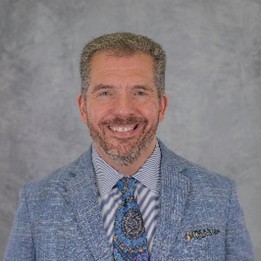
Brian Kamoie
Managing Director, Deloitte
Brian Kamoie, JD, MPH is a Managing Director at Deloitte with over two decades of emergency preparedness and response experience, including responding to some of the most challenging domestic and international disasters and emergencies (e.g., the H1N1 pandemic, Deepwater Horizon oil spill, Fukushima nuclear emergency). He is a recognized thought leader emergency management, public health, and resilience for federal, state, and local governments and the private and non-profit sectors. Throughout his extensive career, he has served in senior career and appointed roles at The White House National Security Council (NSC), FEMA, Health and Human Services (DHS), and Homeland Security (DHS).
Federal positions:
- Deputy Assistant Secretary for Preparedness & Response, HHS (2006-2009)
- Senior Director for Preparedness Policy, National Security Council (2009-2013)
- Assistant Administrator for Grant Programs, FEMA (2013-2017)
- Associate Administrator for Mission Support, FEMA (2017-2019)
- DHS Distinguished Chair of Leadership, United States Naval Academy (2019-2023)
01:20 PM – 02:20 PM
Harnessing Digital Transformation in Housing
Location: Sorrel B
AI, digital twins, and data platforms are changing how we design, build, and operate housing. This session looks at predictive maintenance, lifecycle modeling, and data-driven decision-making—plus the realities of interoperability, governance, and workforce readiness.
Learning objectives:
- Explain roles of AI and digital twins in housing design, construction, and operations.
- Identify practical applications for modeling performance and managing assets.
- Evaluate challenges/opportunities around data, interoperability, privacy, and equity.
- Apply insights from pilots to adopt digital tools in development and policy planning.
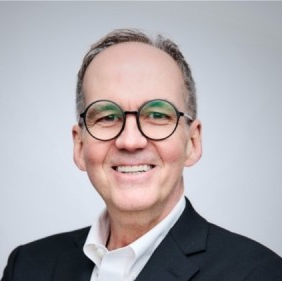
Jim Baldwin
Founder & CEO
Domatic
Domatic aims to reinvent the way buildings are powered. They are replacing 100-year-old, inefficient 120/240V AC wiring. Instead, they have an intelligent low-voltage DC solution that combines power and data on the same wires. By centralizing AC/DC conversion at the source, they're paving the way for widespread solar-powered future that relies on DC.
Jim Baldwin originally worked at Apple and took inspiration from Apple's design philosophies when creating Domatic. Like the ease of using an iPhone or plugging in a USB cable, he believes a building's collection of wired and wireless devices should work together as intuitively as possible. Often bad products make humans bend to technology and adjust their behavior, but the ultimate goal of the smart home is to make technology bend to humans.

John Fay
Founder & CEO
Låda Build
John Fay is the CEO & Founder of Låda Build, a building tech company that manufactures the 2x4 of the Future. As a gifted designer, innovator, and visionary, John has a diverse background in business and product development and design.
Låda Build’s standardized building products provide new standards for reusable and sustainable solutions for the built environment. These kit-of-part/lego-like products bring reductions in skilled labor requirements as well as year-over-year cost reductions across the construction industry leading to affordability. As a truly circular building product, these reusable solutions are changing how the world builds. The benefits are reusability, demountable/permanent, and environmentally friendly products.
John Fay’s resume includes Top 25 Green Building CEO’s, Stanford CIFE Presenter, Stanford Engineering Guest Speaker, Colorado’s Top Companies to Watch, Startup Grind Top 50 Startups, & Issued Patent Holder."
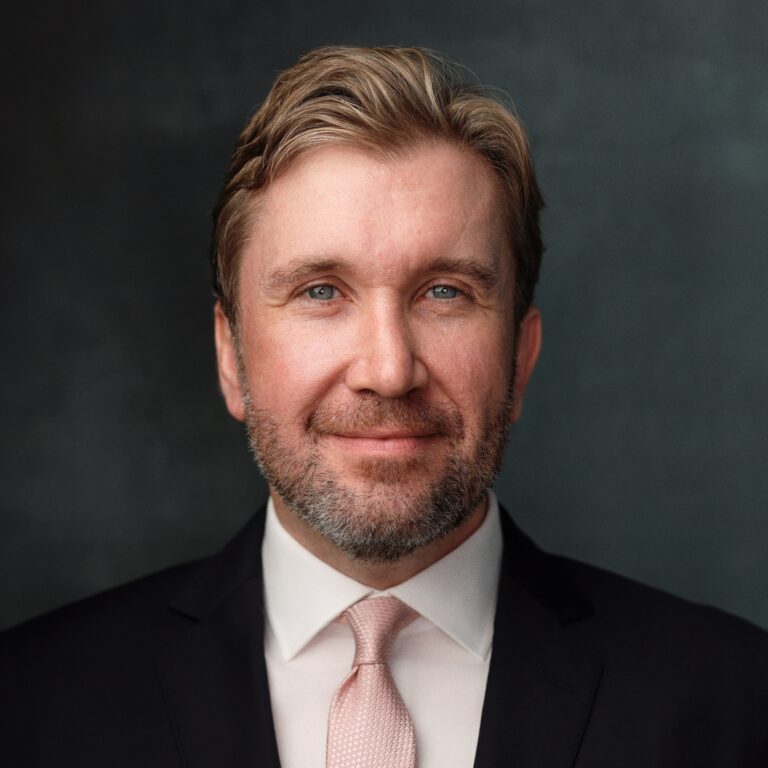
Moderator
Derrick Harmon
Chief Product Officer, Virtual Intros; Founder and Chief Creative Officer, Aquila Loop; NIBS Board Member
Derrick Harmon is Chief Product Officer for Virtual Intros by Laigic, where he leads product strategy for an AI-powered networking platform that reimagines connections through anonymous matching and seamless virtual experiences. He is also Founder and Chief Creative Officer of Aquila Loop, a pioneering AI design company that develops proprietary AI-powered tools to transform creative workflows. At Aquila Loop, Derrick directs multidisciplinary teams of designers, engineers, and technologists to deliver scalable solutions for global brands, positioning the company as a leader in AI product development.
During his 15 years at The Walt Disney Company, Derrick held senior executive roles in Technology and Data Science. He directed a multi-hundred-million-dollar technology portfolio supporting more than 60 million annual visitor experiences across Walt Disney World and Disneyland, built foundational data science platforms for pricing and marketing, and pioneered machine learning models that delivered multi-million-dollar revenue gains. He also co-led development of Disney’s enterprise personalization platform, generating significant e-commerce growth, and guided critical analytics work during the COVID-19 reopening to accelerate business recovery. Earlier in his career, he was a Senior Consultant at McKinsey & Company, where he advised clients across banking, e-commerce, food distribution, and hospitality on digital monetization and personalization strategies.
His academic background includes a Master of Science in Software Engineering and a Master of Science in Major Programme Management from the University of Oxford, an MBA from the University of Notre Dame, and a Bachelor of Science in Management from the University of Florida.
01:20 PM – 02:20 PM
Designing for Outcomes: Performance-Based Codes and Standards
Location: Sorrel A
Prescriptive codes can limit innovation. Performance-based frameworks enable flexible, outcome-driven design across lifelines and housing. This session unpacks regulatory trends, implementation hurdles, and evaluation tools that link innovation to resilient outcomes.
Learning objectives:
- Understand principles/benefits of performance-based approaches vs. prescriptive codes.
- Evaluate how performance-based standards enhance resilience and support innovation.
- Identify verification methods, stakeholder engagement needs, and regulatory alignment.
- Apply performance-based strategies using case studies, modeling, and risk-informed decisions.
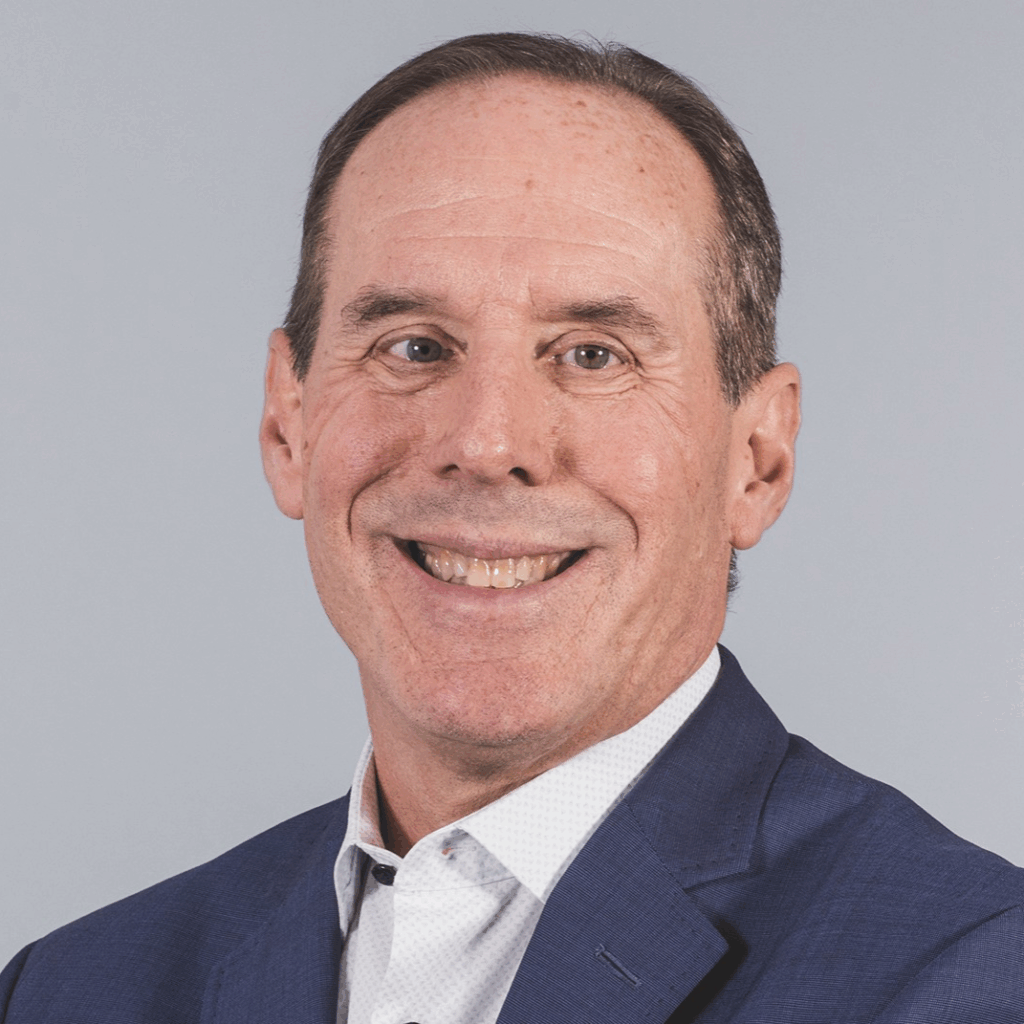
John Hooper
Senior Principal and the Director of Earthquake Engineering
Magnusson Klemencic Associates
John Hooper is a Senior Principal and the Director of Earthquake Engineering at Magnusson Klemencic Associates, a consulting structural and civil engineering firm in Seattle, Washington. He received his Bachelor of Civil Engineering from Seattle University and a Master of Science from the University of California at Berkeley.
John has over 40 years of engineering experience in the fields of renovation and earthquake engineering and has been involved in the majority of MKA’s Performance-Based Seismic designs over the past 25 years.
He is Past Chair of the American Society of Civil Engineer (ASCE 7’s) Seismic Subcommittee, a member of ASCE 7’s Main Committee, and Chair of the Building Seismic Safety Council (BSSC) NEHRP Provisions Update Committee.
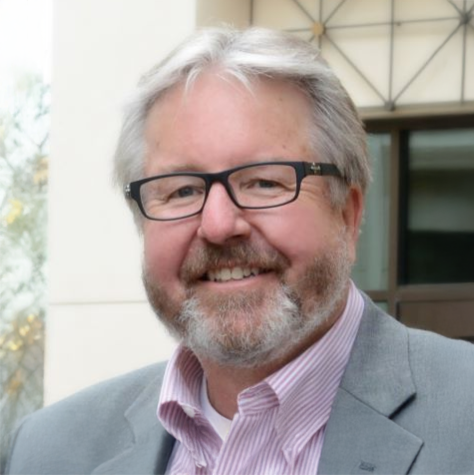
Scott Adams
Fire Protection Engineer, Technical Services
International Code Council
Scott Adams is the Fire Protection Engineer with the International Code Council (ICC) working within the Codes and Standards Development department. Mr. Adams has over 35 years of experience in fire and life safety consulting in both municipal government and private practice. Mr. Adams graduated from the University of Maryland with a Bachelor of Science degree in Fire Protection Engineering. Mr. Adams has served and chaired various code development and technical committees. Mr. Adams is a licensed Fire Protection Engineer in the states of California, Nevada, and Utah; is a Professional Member with the Society of Fire Protection Engineers (SFPE) and is certified as an ICC Fire Code Inspector II and Building Plans Examiner. He served as Chairman of the 2002 Winter Olympics Fire Marshals Work Group and has been involved with the review and analysis for alternative means and methods requests from design professionals to determine compliance with applicable building and fire codes and standards. Mr. Adams has represented jurisdictions at design review and pre-entitlement meetings to provide answers and offer solutions proposed by the design team. Mr. Adams is a respected instructor throughout the US and Internationally by providing technical training classes to fire and building officials, design professionals, and contractors.
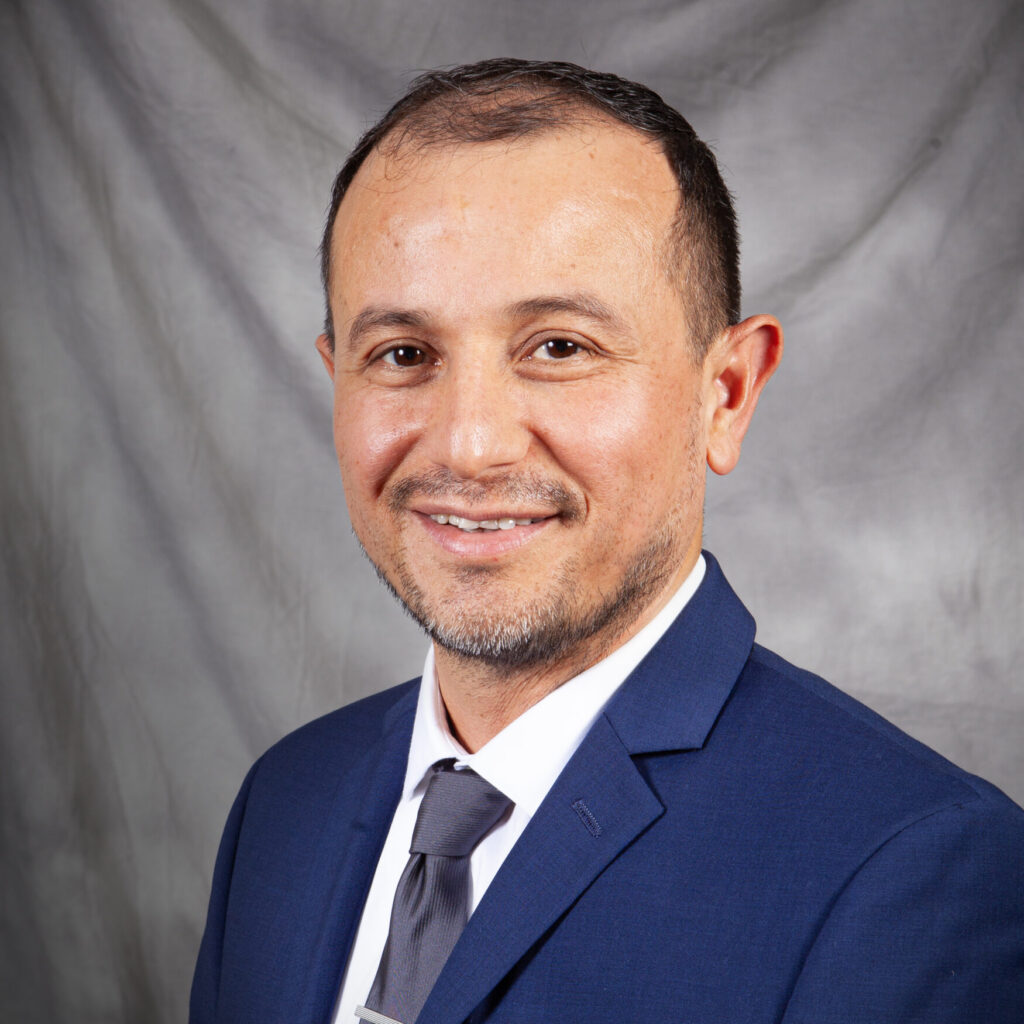
Hugo Aguliar
Senior Vice President, Codes & Standards, International Association of Plumbing and Mechanical Officials (IAPMO)

Moderator
Dominic Sims
NIBS Board of Directors
Dominic Sims is an experienced Chief Executive with a career tenure spanning over four decades, specializing in organizational management, public safety, development, and community resiliency. Adept at fostering organizational improvement and governance with a proven record of enhancing corporate governance and driving strategic growth initiatives, creating environments positioned for success.
Dominic served as Chief Executive Officer of the International Code Council (ICC) from 2003 to 2024, where he led the organization through transformative growth. Under his leadership, ICC expanded globally, increased annual revenue from $50 million to $187 million, and integrated multiple subsidiaries and business lines. He also held roles as Chief Operating Officer and Senior Vice President, focusing on talent acquisition, governance reform, and strategic partnerships with leading industry organizations.
Before ICC, Dominic was CEO of the Southern Building Code Congress International (SBCCI), where he oversaw a pivotal merger that led to the formation of ICC. His tenure at SBCCI was marked by membership growth, strategic planning, and successful navigation of high-stakes litigation.
Dominic’s public sector career includes nearly two decades with Palm Beach County’s Planning, Zoning & Building Department, culminating in his role as Executive Director. He also served as Vice Mayor and City Councilman for Jupiter, Florida, contributing to development, land use, zoning, construction, licensing and compliance policy.
Currently, Dominic remains active in civic and professional circles, serving on the boards of the Federal Alliance for Safe Homes and the International Building Quality Center, and as an adjunct professor at the University of Canberra. He is also a proud member of the Homewood Kiwanis Club.
Dominic holds a Bachelor of Arts in Organizational Management and Business from Palm Beach Atlantic University.
02:20 PM – 02:35 PM
Break
02:35 PM – 03:35 PM
Intelligent Infrastructure: Leveraging BIM, Digital Twins, and AI for Smarter Systems
Location: Wisteria
Data and intelligence are redefining planning, construction, and operations. This session shows how BIM, digital twins, and AI enable predictive analytics, real-time monitoring, and lifecycle optimization across transportation, utilities, and housing.
Learning objectives:
- Explain how BIM, digital twins, and AI enhance planning, design, and operations.
- Evaluate how tech supports predictive maintenance, risk assessment, and optimization.
- Identify integration hurdles—interoperability, cybersecurity, workforce readiness.
- Apply real-world implementations to guide strategic adoption in projects and policy.
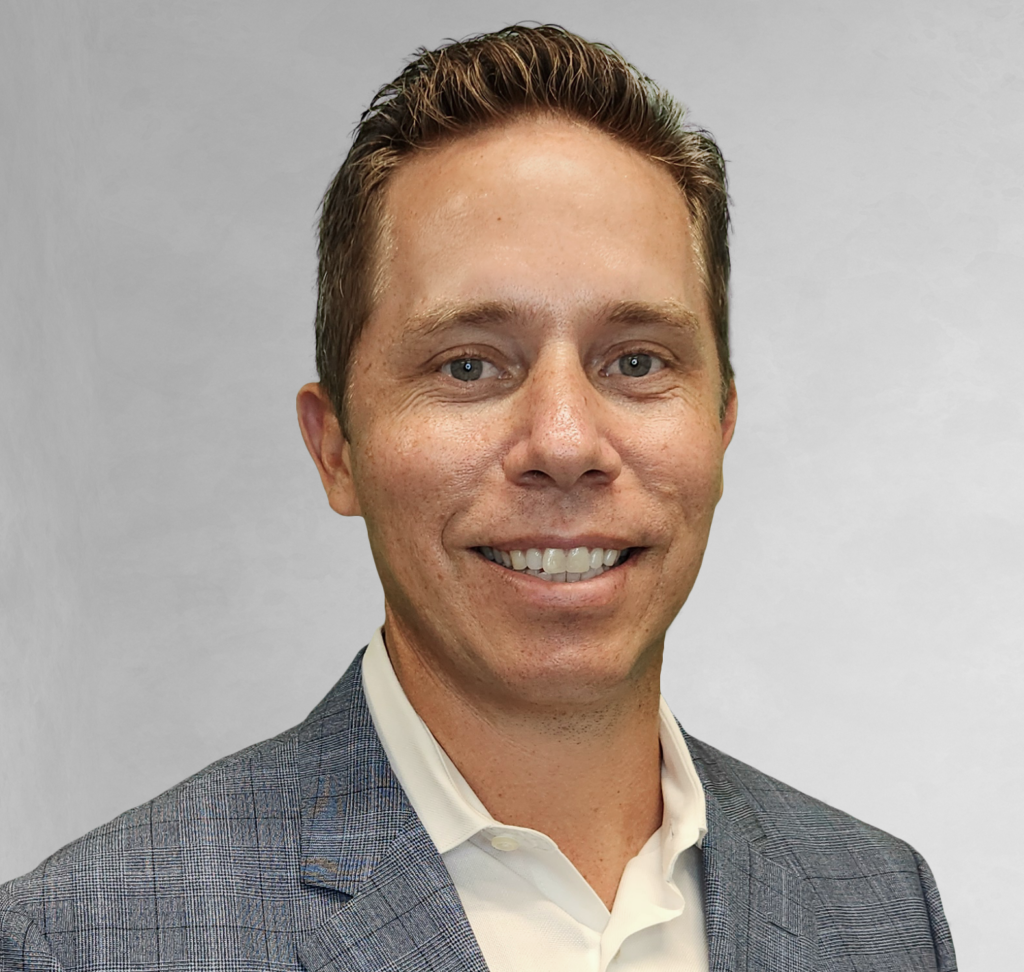
Mike LaFontaine
Technology Section Manager, Digital Transformation Solutions, HNTB
Mike LaFontaine is a Technology Section Manager and within HNTB’s Digital Transformation Solutions group, bringing nearly two decades of AECO experience focused on owner/operator-driven digital delivery and technology integration. He has led the implementation of CAD, BIM, GIS, enterprise asset management systems, analytics platforms, and digital twins across the full infrastructure lifecycle for both horizontal and vertical programs, with deep experience in aviation and large capital transportation initiatives. Mike holds an MBA from the University of California, Irvine, is a Licensed Professional Land Surveyor, and a certified Project Management Professional (PMP). He is an active industry thought leader, co-authoring Digital Twin Value in Airport Operations and contributing to Springer’s Digital Twin: Fundamentals and Applications, and regularly works with clients and industry partners to advance scalable, data-driven, and AI-enabled infrastructure solutions.
Cyle Hawkins
Chief, Enterprise Engineering Branch
United States Department of Defense
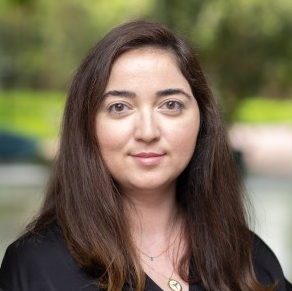
Gokce Ozcelik
Product Manager
ESRI
Gökçe is a Product Manager at Esri, leading strategy for the Indoor GIS portfolio including ArcGIS Indoors and ArcGIS IPS. She helps organizations extend design, construction, and other data into operations, creating digital twins that support asset and space management, safety and security, space planning, and occupant experience. With prior roles at AECInspire, Sanveo, and Autodesk, and a Ph.D. in Civil Engineering from University of Southern California (USC), she brings expertise in product management, AECO technology, and indoor GIS integration to advance the digital transformation of the built environment.
Moderator
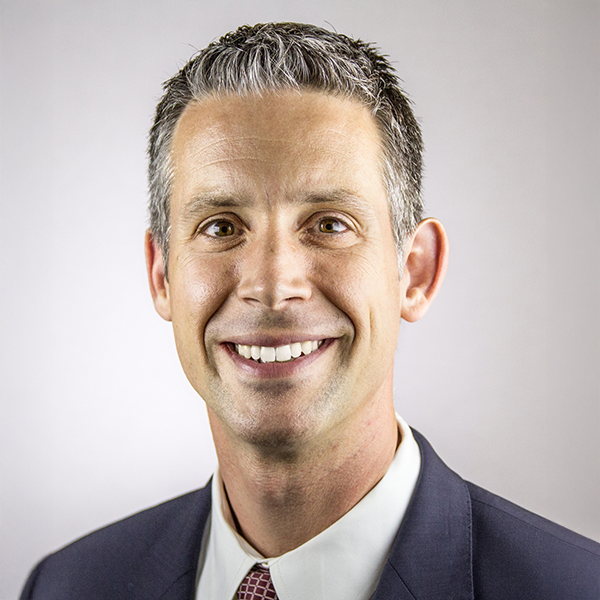
Paul Ruffo
Chief Technology Officer, NIBS
Paul Ruffo serves as the Chief Technology Officer at the National Institute of Building Sciences. Prior to his current role at NIBS, Paul held a position as an innovation leader at NTT Data, a multinational IT services provider. In this capacity, he spearheaded the adoption of emerging technologies to address long-standing challenges across a diverse range of industries.
With over two and a half decades of experience in business transformation consulting, spanning both public and private sectors, Paul has collaborated with a wide spectrum of clients, including Fortune 50 companies and small municipal utilities. His expertise lies in developing comprehensive solutions that address complex issues and drive value for his clients. Paul specializes in digital transformation, asset management, capital investment planning, and business process optimization.
In his capacity as a City Councilman and Mayor Pro Tem in Heath, Texas, for the past eight years, Paul has championed fiscal responsibility, financial sustainability, and a pragmatic approach to community development and expansion.
Paul holds a Master of Business Administration (MBA) from the State University of New York at Albany’s Massry School of Business and a Bachelor of Science in Information Technology from Hartwick College.
02:35 PM – 03:35 PM
Building Faster, Smarter: Modular Construction and Advanced Delivery Methods
Location: Sorrel B
Modular, design-build, IPD, and off-site fabrication can cut timelines, improve quality, and scale resilience. This session covers technologies, regulatory considerations, and outcomes from projects using advanced delivery across lifelines and housing.
Learning objectives:
- Understand principles/benefits of modular and advanced delivery in accelerating builds.
- Evaluate how off-site fabrication and integrated delivery improve cost, quality, schedule.
- Identify regulatory, logistical, and workforce challenges—and strategies to overcome them.
- Apply lessons from pilots to future planning and procurement decisions.
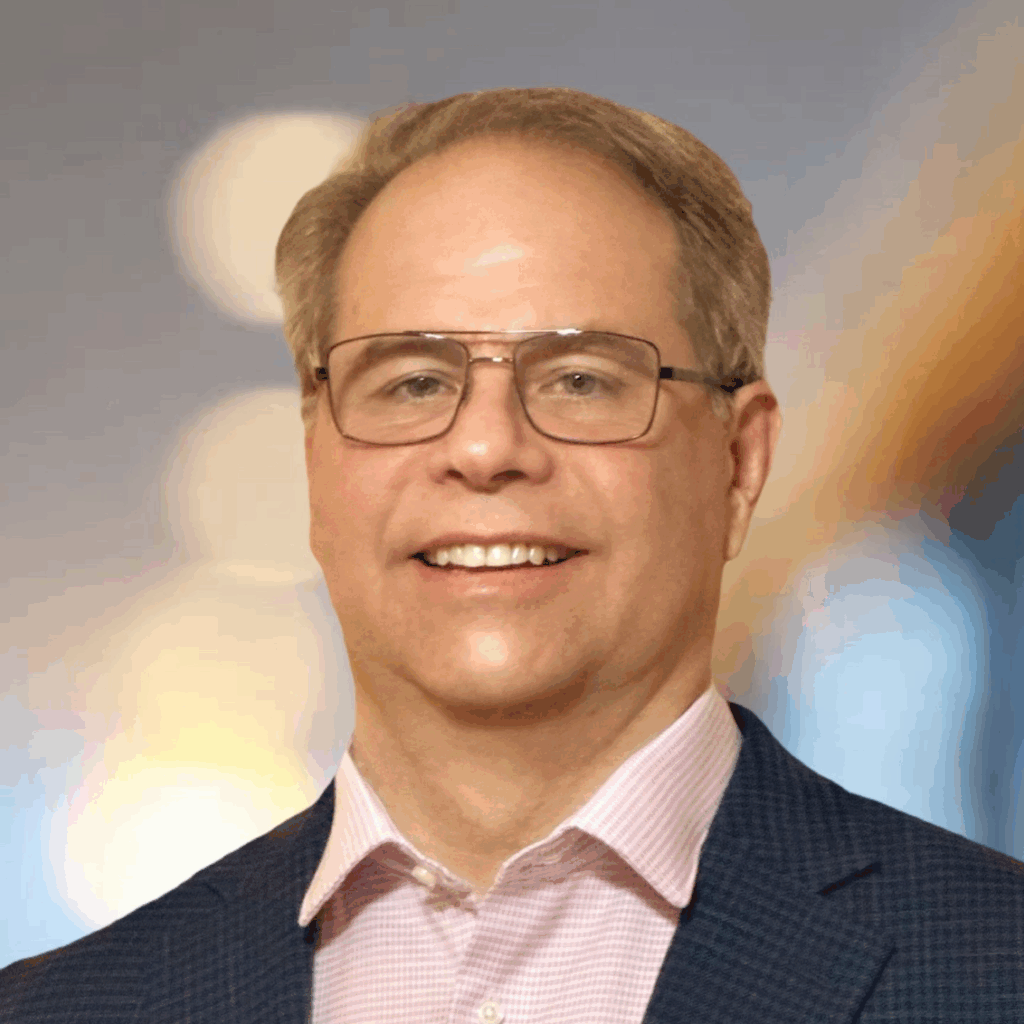
Eric Benavides
Founder & CEO
Fornidos Home Systems, Inc.
Founder of Fornidos Home Systems, Inc., Eric leads the ICC-certified Component Construction System (CCS) — a code-compliant panel platform for fast, scalable housing. With 40+ years in construction, he’s built hundreds of homes and now drives Fornidos toward nationwide growth and affordable housing solutions.
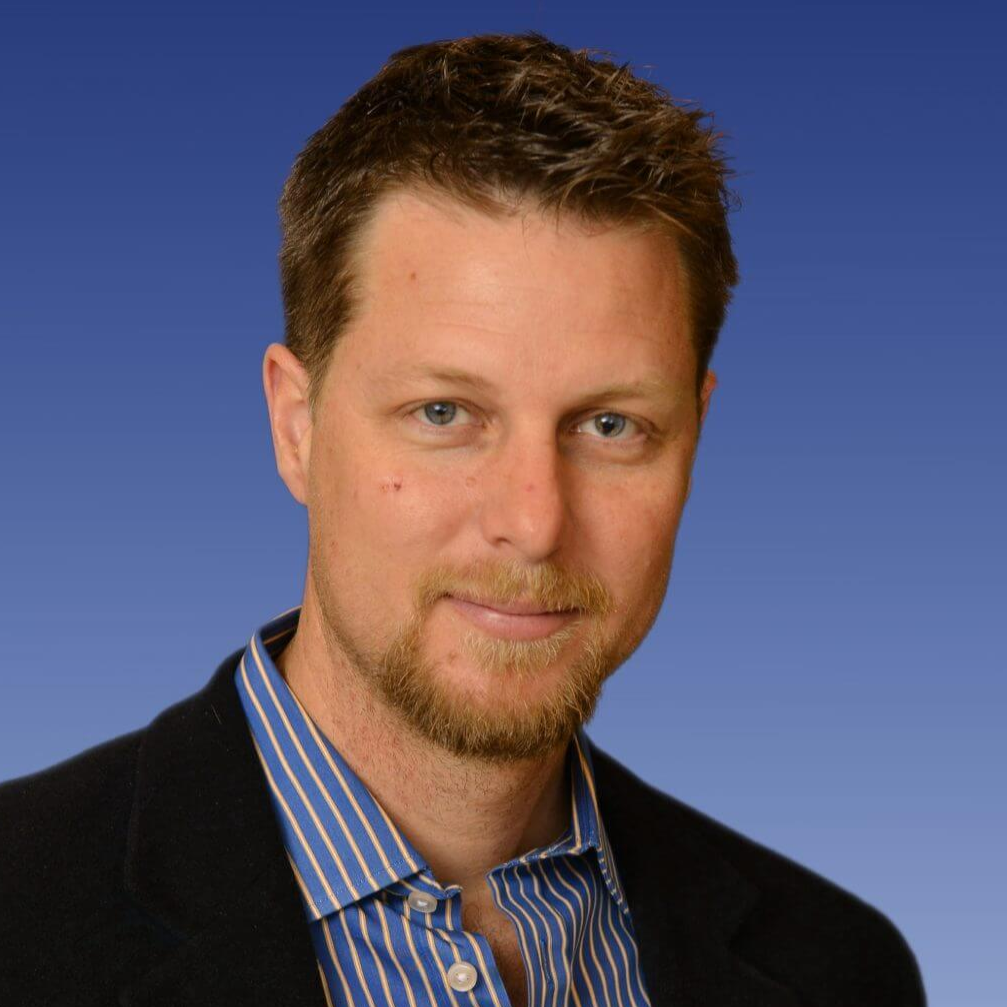
Colby Swanson
Built Environment Partner
ADL Ventures
Colby Swanson is a serial entrepreneur and construction innovation strategist with 25 years of experience working across the real estate spectrum with developers, builders, material suppliers, prefab manufacturers, investors, and government actors. His career has evolved from stick-framing homes in high school to class action building failure forensics, to strategic leadership at multiple corporations. His recent focus has been on growing the industrialized construction ecosystem by supporting startups, corporations and government entities to optimize for prefabrication. Most recently, he has been leading the military's entry into the industrialized construction space at ADL Ventures. Colby has a degree in Biochemistry from Arizona State University.
Moderator
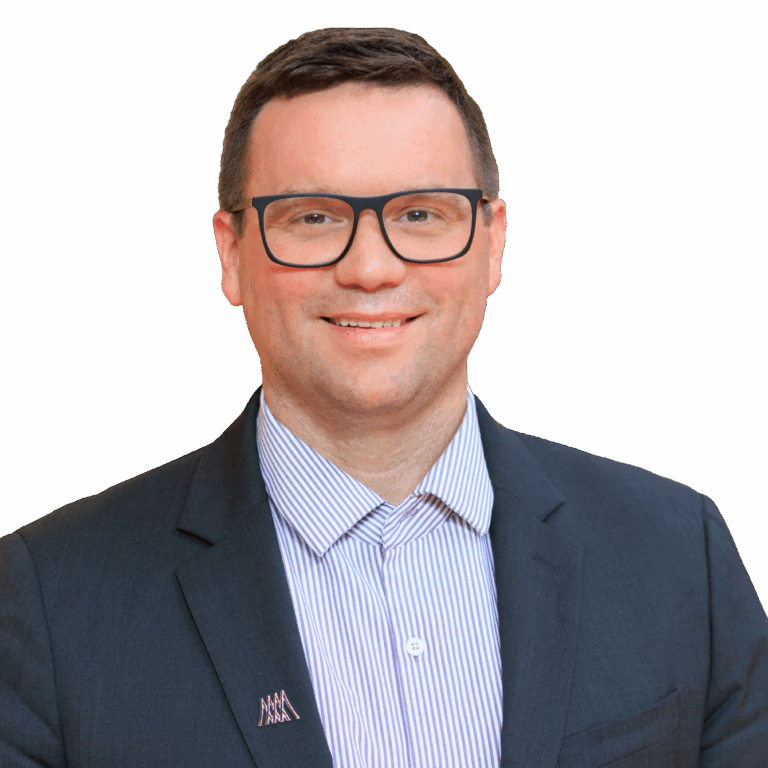
Kyle Barry
Program Director, Whole Building Design Guide, NIBS
Kyle Barry, PMP, is a Director in the Technical Solutions Group at NIBS since December 2017. He manages projects for a number of Federal agencies, including the U.S. Department of Energy Federal Energy Management Program, the Department of Housing and Urban Development, and the Naval Facilities Engineering Systems Command. He also serves as staff liaison to the following NIBS Consultative Council and Off-Site Construction Council. Prior to joining NIBS, he served as the Program Director for the Building Energy Solutions Division at Energetics Incorporated, where he supported the U.S. Department of Energy Building Technologies Office. He holds a Master of Public Policy from the McCourt School of Public Policy at Georgetown University, and a BA in Political Science and Economics from Loyola University Maryland.
02:35 PM – 03:35 PM
From Policy to Practice: Streamlining Code Adoption, Enforcement, and Permitting
Location: Sorrel A
Codes only work when adopted and enforced on time, with efficient permitting. This session explores digital plan review, remote inspection (e.g., drones), and data dashboards to modernize compliance and speed resilience-focused code integration.
Learning objectives:
- Identify common barriers to adoption/enforcement and their impact on safety and resilience.
- Evaluate modernization strategies (digital platforms, pre-approved designs, coordinated review).
- Understand policy innovation and stakeholder engagement for faster integration and compliance.
- Apply successful implementation models to improve enforcement and permitting efficiency.
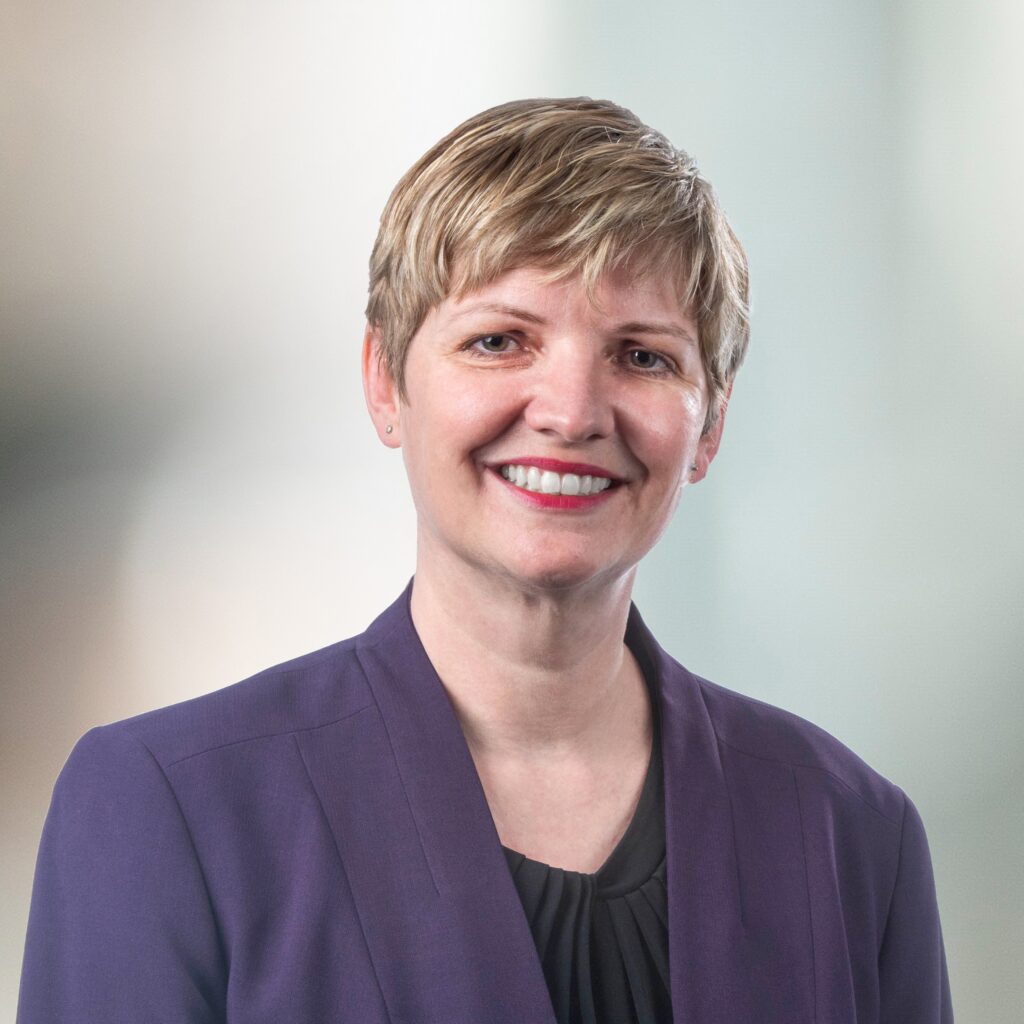
Ciara Barnett
Assistant Deputy Director, Los Angeles Department of Public Works
Ciara Barnett is an Assistant Deputy Director at Los Angeles County Public Works, who is currently spearheading LA County’s Rebuilding efforts in response to the Eaton and Palisades fires. She has been an employee of the County of Los Angeles for over 25 years and has extensive government experience in municipal services.
She is a registered civil engineer with a Master of Science in Structural Engineering and Bachelor of Science degree in Civil Engineering from Cal Poly Pomona. She is a Certified Access Specialist.
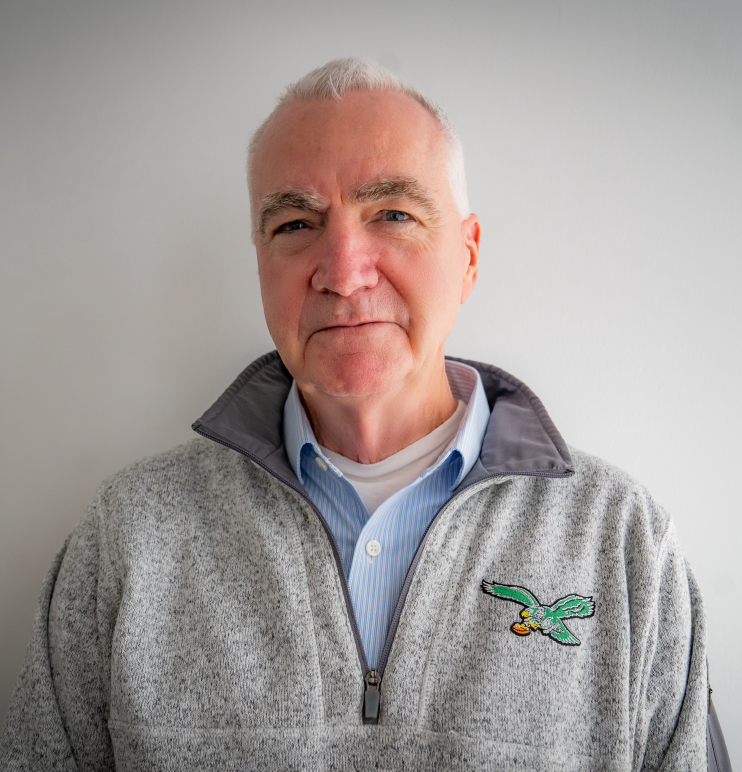
John Flanagan
Supervisor of Remote Inspections, City of Philadelphia
John (Jack) Flanagan has become a pivotal figure in the construction industry. With a career span of over 45 years, Jack's experience reflects the evolution of construction and design workflow from traditional drawing boards to advanced computer-generated designs. His early professional years included roles such as software sales and building engineering, followed by construction freelancing. Eventually, Jack brought his extensive knowledge to the City of Philadelphia's Department of License & Inspections, where he worked as an inspector before being appointed head of the newly formed Remote Inspection Unit.
The unit's core achievement lies in its innovative use of live-streaming technology to conduct virtual inspections. By leveraging this capability, the department manages over 10,000 virtual inspections annually. This approach not only reduces the physical risk inspectors face when traveling between multiple construction sites but also minimizes liability and operational costs. Remote inspections allow for timely assessments without compromising safety or the integrity of regulatory oversight.
Jack’s leadership exemplifies how technological integration can revolutionize long-established processes. By embracing digital solutions, the Remote Inspection Unit sets a compelling example for governments and industries seeking to modernize while prioritizing worker safety and operational efficiency.
Looking ahead, as construction technologies and virtual tools continue to advance, Jack Flanagan’s efforts position the Remote Inspection Unit as a model for sustainable and innovative infrastructure management—demonstrating how experience and technology together can reshape the future of construction oversight.
Moderator
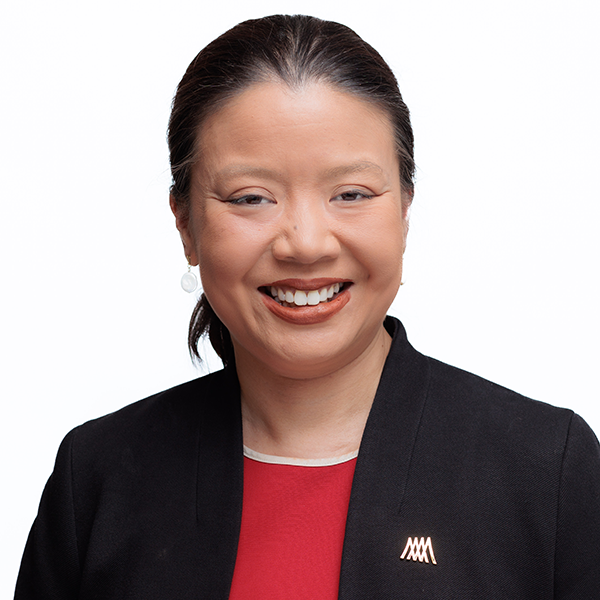
Anne Law
Senior Vice President, Professional and Government Affairs, NIBS
Anne Law is the Senior Vice President of Professional and Government Affairs with the National Institute of Building Sciences. With over 18 years of experience as a government affair professional, Law will develop and maintain productive relations with government entities at the federal, state, and local level to support NIBS Strategic priorities.
Prior to joining NIBS, Law was with the American Institute of Architects for more than eight years. She held key positions throughout her tenure, which include Director of State and Local Policy, Senior Director for Public Policy, and most recently, Managing Director for Public Policy and Federal Affairs. Law also spent over 10 years focused on federal appropriations, working for environmental nonprofit organizations and a lobbying and government relations firm specializing in federal community development policy. She received her Juris Doctorate from The Columbus School of Law at Catholic University and her Bachelor of Science from Cornell University.